India Confirms Adequate Energy Reserves Amid Middle East Geopolitical Crisis
In response to growing concerns over potential oil supply disruptions due to escalating tensions in the Middle East, Union Minister of Petroleum and Natural Gas Hardeep Singh Puri has provided reassurances regarding India's energy security. During an informal media briefing, the minister emphasized that the nation possesses sufficient reserves to navigate the current geopolitical challenges effectively.
Minister Puri's Media Interaction on Energy Security
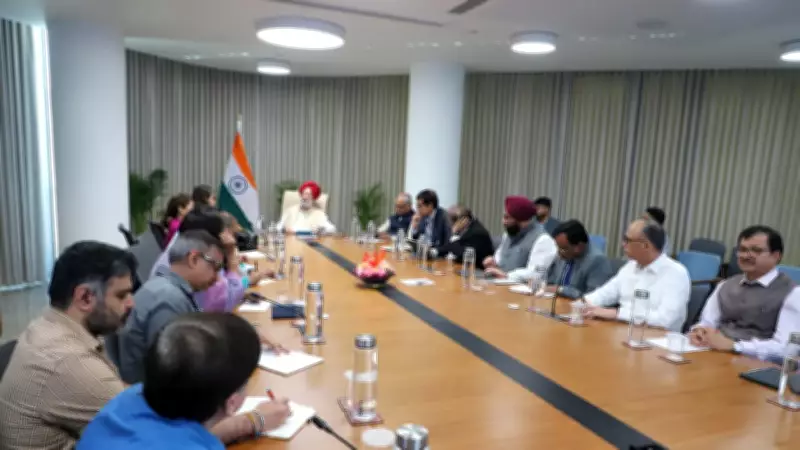
Hardeep Singh Puri engaged with members of the media fraternity to discuss various aspects of India's energy landscape in light of the volatile situation in the Middle East. In a post on social media platform X, Puri described the interaction as "very positive" and highlighted the comprehensive briefing provided to journalists.
The minister outlined India's strategic approach to energy management, stating, "We discussed how the trilemma of energy availability, affordability and sustainability continues to guide India’s approach under the leadership of PM Narendra Modi Ji which is focused on meeting the energy requirements of our citizens."

India's Vulnerability and Strategic Position
This reassurance comes at a critical time as analysts have raised alarms about India's exposure to oil supply shocks. As one of the world's fastest-growing oil consumers, India faces particular vulnerability due to its relatively limited domestic reserves and strategic petroleum stockpiles.
The nation's dependence on Middle Eastern crude oil has reportedly increased in recent months, especially following reductions in imports from Russia. This shift has made India more reliant on shipments that must traverse the strategically vital Strait of Hormuz—a maritime chokepoint that has become increasingly unstable due to recent military actions.
Regional Tensions and Global Implications
The broader geopolitical context involves escalating conflicts between multiple regional powers. Recent military strikes and retaliatory actions have effectively disrupted shipping through the Strait of Hormuz, creating significant challenges for global energy supply chains.
These developments have placed not only India but numerous Asian economies at risk, demonstrating how far the repercussions from Middle Eastern conflicts can extend. Economies heavily dependent on Middle Eastern oil now face potential supply disruptions and rising energy costs that could impact economic stability and growth.
Government Response and Preparedness
During the media briefing, Minister Puri was accompanied by senior officials from the Petroleum Ministry and leaders from India's public sector energy enterprises. This collaborative presence underscored the government's coordinated approach to addressing energy security concerns.
The minister explicitly informed media representatives that "India has sufficient energy reserves to deal with the ongoing situation." This statement represents a deliberate effort to calm market anxieties and reassure both domestic consumers and international observers about India's preparedness.
Long-term Energy Strategy Considerations
Beyond immediate concerns, the discussion touched upon India's broader energy philosophy. The trilemma framework mentioned by Puri—balancing availability, affordability, and sustainability—reflects the government's comprehensive approach to energy policy.
This strategy acknowledges the complex challenges facing a developing economy with substantial energy needs while simultaneously pursuing environmental sustainability goals. The current Middle East tensions serve as a stark reminder of why diversified energy sources and strategic reserves remain crucial components of national security planning.
The government's proactive communication through this media interaction demonstrates an awareness of both the practical and psychological dimensions of energy security during times of international crisis.