

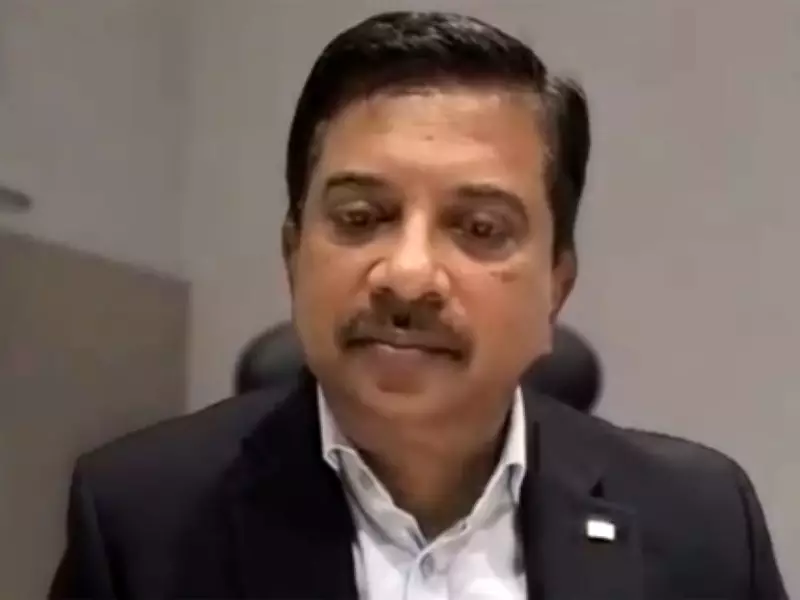
India can position itself as a non-artificial intelligence (AI) hedge for global capital seeking diversification, according to Swarup Mohanty, CEO of Mirae Asset Mutual Fund. In a recent statement, Mohanty emphasized that India's robust economic fundamentals and diverse industry base make it an attractive destination for investors looking to reduce reliance on AI-driven sectors.
India's Appeal as a Diversification Hub
Mohanty highlighted that while AI and technology stocks have dominated global markets, India offers a counterbalance with strengths in traditional manufacturing, services, and consumption. India's stable regulatory environment and demographic dividend further enhance its appeal. Global capital is increasingly seeking alternatives to concentrated tech exposure, and India provides a viable option.
Key Sectors Driving Interest
- Manufacturing: With initiatives like 'Make in India', the country is becoming a global hub for electronics, automobiles, and pharmaceuticals.
- Financial Services: A growing middle class and digital payments expansion are fueling demand for banking and insurance.
- Renewable Energy: India's commitment to green energy attracts ESG-focused investors.
Mohanty noted that India's GDP growth, projected at over 6% for the coming years, provides a solid foundation for long-term investments. Unlike AI-dependent economies, India's growth is broad-based, reducing vulnerability to tech sector fluctuations.

Global Context
The call for diversification comes amid rising valuations in AI stocks and geopolitical tensions. Institutional investors are increasingly looking at emerging markets like India to balance their portfolios. Mohanty cited examples of sovereign wealth funds and pension funds increasing allocations to Indian equities and bonds.
Challenges and Opportunities
While India offers significant potential, Mohanty acknowledged challenges such as infrastructure gaps and regulatory complexities. However, ongoing reforms and policy continuity under the current government are mitigating these risks. He concluded by urging global investors to consider India not just as a tech play but as a comprehensive market with resilient sectors.






