

India LPG Cylinder Shortage: Government Urges Switch to PNG Amid West Asia Crisis
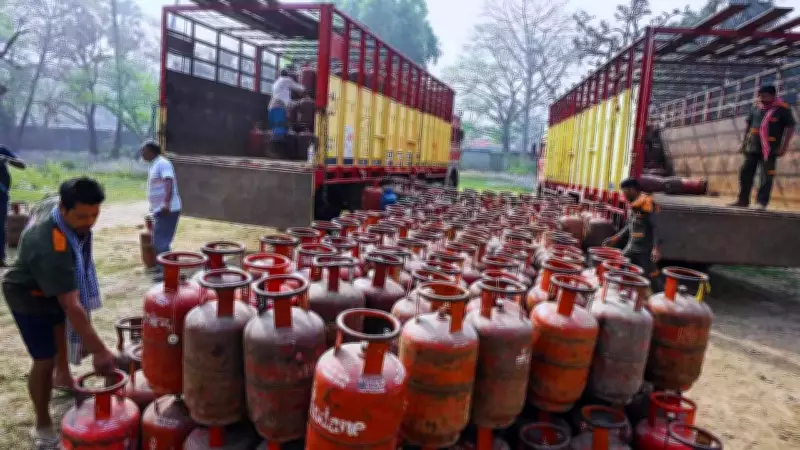
The Centre on Friday sought to calm fears over LPG availability, urging households and businesses to switch to piped natural gas (PNG) where possible. This move comes as tensions in West Asia disrupt key global energy routes, impacting India's LPG supplies.
Government's Response and PNG Push
Officials highlighted that nearly 60 lakh households already located near PNG networks could easily shift to piped connections. This transition is expected to reduce pressure on LPG cylinder demand significantly. Commercial establishments facing supply disruptions were also encouraged to approach city gas distribution companies for alternative solutions.
India depends heavily on imports for LPG supplies, with over 60% sourced from overseas. Most shipments pass through the Strait of Hormuz, where ongoing military tensions have slowed tanker movement. Authorities are managing supplies carefully to mitigate the impact.

Supply Chain Disruptions and Domestic Measures
Despite the disruptions, the government assured that domestic consumers would continue to receive priority. To compensate for delays in imports, LPG production has been increased by 30% since early March. However, the crisis has already begun affecting commercial users, with distribution of 19-kg commercial cylinders suspended briefly and later resumed in limited quantities.
On the ground, panic and uncertainty have triggered long queues outside LPG agencies in several parts of Delhi, particularly in the crowded neighbourhoods of Old Delhi. Many residents reported being unable to book cylinders online or reach agency helplines, leading to chaotic scenes.
Impact on Food Vendors and Small Eateries
Food vendors and small eateries have been among the worst affected by the shortage. Several have reported cutting down menu options or shutting temporarily as they struggled to arrange commercial cylinders. In Bengaluru, more eateries are scaling down operations, with vendors describing the situation as reminiscent of the Covid-19 pandemic.
Authorities have begun cracking down on hoarding and black marketing to stabilize the market. Oil companies have also expanded call centre capacity and digital booking channels to manage the surge in demand and address consumer complaints.
Panic Booking and Demand Surge
Officials noted that the perception of shortage has triggered a sharp spike in LPG refill bookings. Daily booking numbers rose from around 57.5 lakh before the West Asia conflict to nearly 75.7 lakh on March 12, marking a 32% jump. Authorities stressed that this surge reflects panic behavior rather than an actual shortage of domestic cooking gas.
Petroleum secretary Neeraj Mittal and consumer affairs secretary Nidhi Khare held meetings with state officials to brief them on the energy situation and ensure coordination. The government maintains that there is no shortage for households and appeals to consumers to avoid panic booking.
Long-Term Solutions and Consumer Advice
While domestic supplies are being prioritized, the government acknowledged that commercial users may face constraints. Enforcement actions against hoarding and black marketing are underway, and oil companies are enhancing their infrastructure to handle increased demand.
Officials continue to emphasize that domestic consumers will remain the top priority until supply chains stabilize. Consumers are advised to consider switching to PNG where feasible and to rely on official channels for bookings to avoid exacerbating the crisis.






