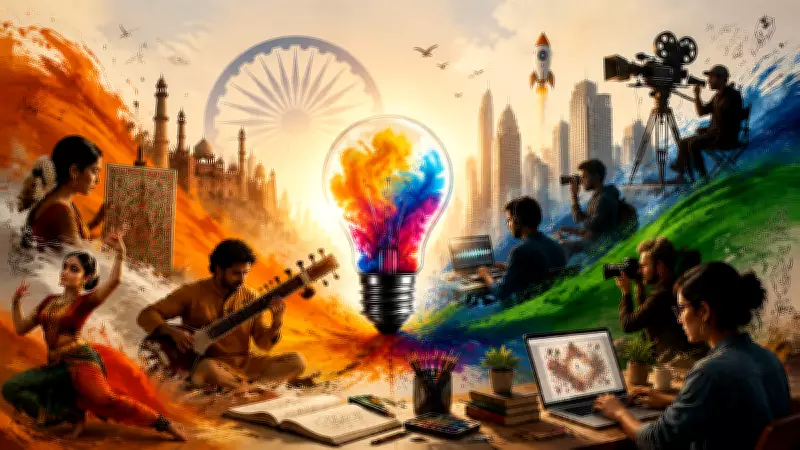
India possesses the talent, the audience, and the technological foundation to become a global creative powerhouse. What’s missing is a policy vision, according to Gaurav Dwivedi in an opinion piece published on July 6, 2026.
The Creative Economy Potential
India’s creative industries—including film, music, gaming, design, and digital content—are already significant contributors to the economy. The sector employs millions and generates billions in revenue, but without a cohesive national policy, its full potential remains untapped. Dwivedi argues that a dedicated creative economy policy could unlock new avenues for growth, exports, and job creation.
Global Examples and Lessons
Countries like the United Kingdom, South Korea, and Canada have long recognized the value of their creative sectors. The UK’s creative industries contribute over £100 billion annually, while South Korea’s K-culture wave has boosted tourism, exports, and soft power. India, with its vast pool of artists, writers, and tech-savvy youth, could replicate this success if supported by strategic policy measures.

Key Pillars of a Creative Economy Policy
Dwivedi outlines several critical components that such a policy should address. First, intellectual property protection needs strengthening to ensure creators are fairly compensated. Second, access to financing and incubation for creative startups is essential. Third, education and skill development programs should be aligned with industry needs. Fourth, infrastructure for digital distribution and global marketing must be enhanced. Finally, regulatory barriers that stifle innovation should be removed.
Impact on Employment and GDP
The creative economy is labor-intensive and can absorb millions of workers, including those in informal sectors. According to industry estimates, India’s creative sector could contribute up to 10% of GDP by 2030 with the right policy framework. This would also help in diversifying exports, as Indian content gains popularity on global streaming platforms and in international markets.
Call to Action
Dwivedi emphasizes that the time to act is now. With the digital revolution accelerating, India has a unique opportunity to lead the global creative economy. The government must collaborate with industry stakeholders, academia, and artists to draft a comprehensive policy that fosters innovation, protects rights, and promotes Indian creativity worldwide. Without such a vision, India risks falling behind in a sector where it has natural advantages.