

India's Strategic Energy Policy: Diversification Over Dependence
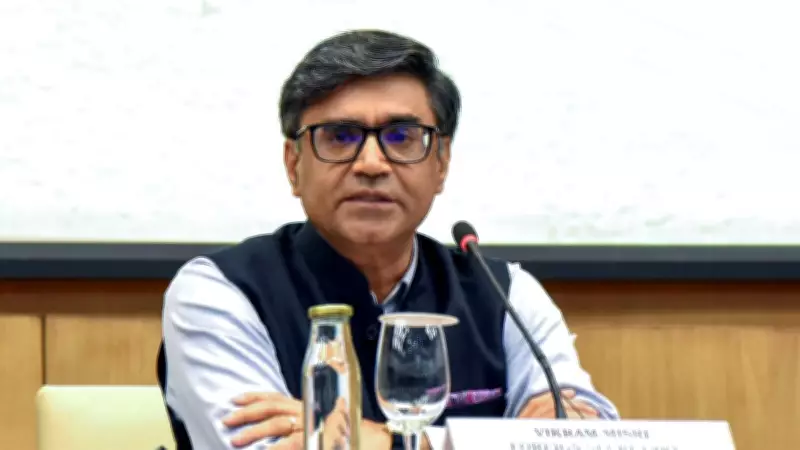
In a significant statement addressing global energy dynamics, Foreign Secretary Vikram Misri has articulated India's firm commitment to maintaining a diversified portfolio of energy sources. This approach underscores the nation's strategic priority to safeguard its economic stability and energy security in an increasingly volatile international landscape.
Multiple Procurement Channels: A Core Principle
While responding to specific inquiries regarding India's ongoing plans to purchase Russian oil, Misri emphasized that the country's methodology is not anchored to any single supplier. "Our approach has been to maintain multiple sources for energy procurement," he stated unequivocally. This principle allows India to navigate complex geopolitical tensions and market fluctuations with greater flexibility and resilience.
The Foreign Secretary's remarks highlight a pragmatic and calculated energy strategy. By cultivating relationships with various oil-producing nations, India aims to mitigate risks associated with supply disruptions and price volatility. This multi-sourcing framework is designed to ensure a steady and reliable flow of energy resources to fuel the nation's burgeoning economy and industrial growth.

National Interest as the Guiding Compass
Further elaborating on the decision-making process, Misri pointed to national interest as the paramount factor influencing India's energy sourcing policies. "National interest will be a guiding factor in India's sourcing of energy," he affirmed. This declaration reinforces the government's stance that economic and strategic considerations will always take precedence in diplomatic and trade negotiations concerning vital resources like oil and gas.
This focus on national interest means that India's engagements in the global energy market are carefully evaluated. Decisions are made based on a comprehensive analysis of cost-effectiveness, supply reliability, and long-term strategic partnerships. The policy is not merely reactive but is part of a forward-looking vision to build energy independence and security.
Context and Implications for Global Energy Markets
India's position as one of the world's largest importers of crude oil places it at the center of international energy discussions. The country's strategy of diversification has significant implications for global oil trade patterns and diplomatic relations. By refusing to be overly reliant on any single nation, including Russia, India maintains its negotiating leverage and operational autonomy.
The government's approach also sends a clear message to domestic industries and international partners alike: India is committed to a stable and predictable energy supply chain. This stability is crucial for sustaining economic growth, controlling inflation, and supporting key sectors such as manufacturing, transportation, and agriculture.
As global energy dynamics continue to evolve, India's policy of maintaining multiple procurement sources, guided firmly by national interest, positions the country to adapt swiftly to changing circumstances. This strategic foresight is essential for navigating the uncertainties of international politics and market forces while ensuring the nation's energy needs are met efficiently and securely.






