

India's 2026-27 Budget: A Continuation of Capex-Led Growth with Eyes on Distant Debt Targets
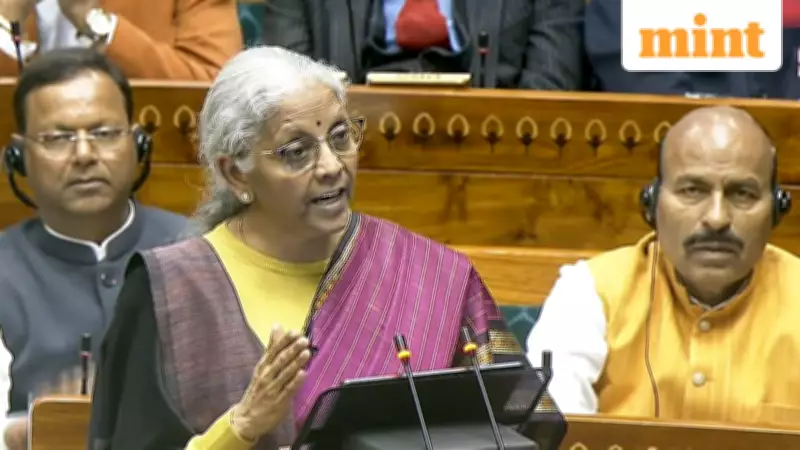
The Union Budget for the fiscal year 2026-27, presented by Finance Minister Nirmala Sitharaman, largely adheres to a proven economic formula centered on capital expenditure while introducing a significant shift in fiscal policy focus. Rather than emphasizing annual deficit calibration, the budget marks a strategic pivot towards medium-term debt reduction, setting a target to halve central government debt relative to GDP by 2030-31.
Sustaining the Capex Momentum
Capital expenditure continues to play a heroic role in India's post-pandemic economic expansion, and the latest budget firmly maintains this trajectory. The government has allocated a substantial ₹12.2 trillion for capex, which constitutes nearly 23% of the total expenditure pie of ₹53.5 trillion. This represents a notable increase and underscores the administration's commitment to infrastructure development as a primary growth driver.
Other significant allocations highlighted in the budget include funding for India's semiconductor manufacturing mission, a renewed thrust in the bio-pharmaceutical sector, and initiatives aimed at carbon capture technologies. These investments are designed to bolster strategic sectors and enhance India's industrial capabilities.

The Shift to a Debt Reduction Framework
The fiscal deficit for 2026-27 is projected at 4.3% of GDP, a slight improvement from the previous year's 4.4%. This reduction is considered achievable even if anticipated revenue boosts from inflation do not materialize as expected. The broader objective, however, is the medium-term goal of reducing central government debt to 50% of GDP by 2030-31.
This shift raises important questions about fiscal discipline and adaptability. Could a five-year debt reduction path lead to complacency, especially if private sector demand and investment experience a sharp, unexpected revival? Furthermore, some analysts argue that the budget's horizon should be extended, with greater emphasis on critical social sectors like health and education to ensure sustainable, inclusive growth.
Trade and Customs Reforms
In response to ongoing global trade flux, the budget introduces several measures aimed at enhancing India's competitiveness. Customs duty exemptions have been expanded for inputs in priority sectors, and import barriers for aircraft manufacturing, nuclear power plant setup, and critical mineral processing have been eliminated.
The most notable reform in this area is the introduction of a "minimal intervention" customs regime. Leveraging technology to expedite cargo clearances, this initiative aims to reduce port-level friction and integrate Indian factories more seamlessly into global value chains that demand low slack tolerance.
Addressing Capital Inflows and Macroeconomic Stability
Despite these positive steps, the budget's proposals to reverse the capital inflow squeeze observed in 2025-26 appear insufficient. Measures to boost the corporate debt market, encourage individual equity investments, liberalize forex regulations, and offer sector-specific tax incentives to foreign investors may not fully address the challenge. Ultimately, capital inflows depend on the returns offered by investments in the Indian economy. As long as India's growth narrative remains robust and geopolitical conditions do not deteriorate, a revival in inflows can be anticipated.
On the macroeconomic front, experts suggest aligning the Fiscal Responsibility and Budget Management (FRBM) Act of 2003 with current practices to avoid annual deviations. The shift to a debt target allows for fiscal flexibility unless nominal growth slumps significantly. However, relying solely on a distant debt ratio as a budget constraint poses risks. A sudden surge in aggregate demand could destabilize macroeconomic stability, leading to inflationary pressures and increased capital costs if fiscal policies are not promptly adjusted.

The Need for Prudence and Priority Rejig
The editorial board emphasizes that the current big-spender formula must not become entrenched. Even if demand remains subdued, it would be prudent to allocate a larger share of public funds towards enhancing the upward mobility of India's population through investments in health, education, and skill development. Failure to do so could weaken domestic consumption impulses, making GDP growth overly reliant on volatile exports.
A strategic rejig of fiscal priorities is essential to mitigate this risk and ensure balanced, resilient economic progress. The budget, while broadly apt for the present moment, must remain adaptive, ready to rein in expenditure should aggregate demand spring a surprise, and focused on long-term human capital development alongside infrastructure growth.





