India's CPI Inflation Rises to 3.21% in February 2026, Reflecting Economic Pressures
In a notable economic development, India's Consumer Price Index (CPI) inflation climbed to 3.21% in February 2026, up from 3.03% in January, according to recent government data. This increase marks a significant shift in the country's inflationary trends, potentially signaling underlying economic challenges and prompting closer scrutiny from policymakers and analysts alike.
Key Drivers Behind the Inflation Surge
The rise in CPI inflation during February 2026 was primarily driven by higher prices in essential sectors, with food and fuel costs playing a pivotal role. Key factors contributing to this uptick include:
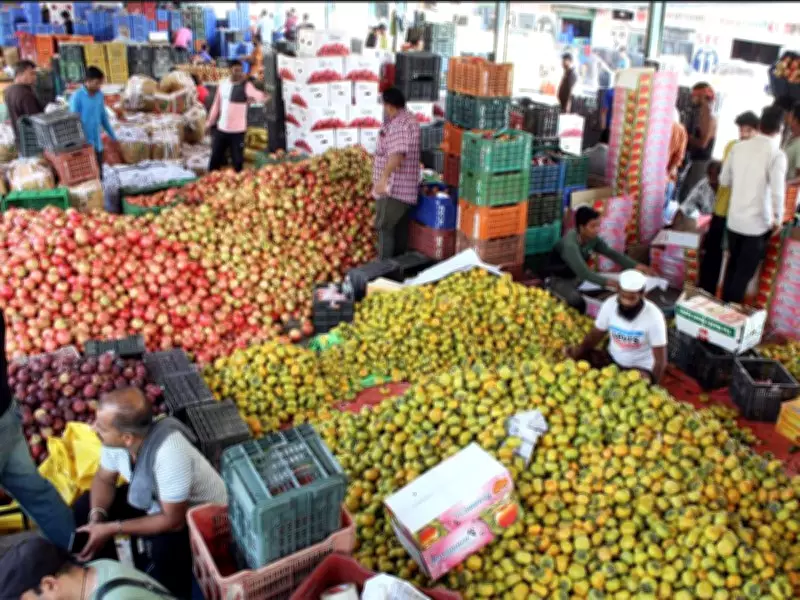
- Food Inflation: Prices of staple items such as vegetables, pulses, and edible oils saw notable increases, reflecting seasonal variations and supply chain disruptions.
- Fuel Costs: Rising global oil prices and domestic adjustments in energy tariffs contributed to higher transportation and household expenses.
- Core Inflation: Excluding volatile food and fuel components, core inflation remained elevated, indicating broader price pressures in services and manufactured goods.
This data underscores the complex interplay of domestic and international factors influencing India's economic landscape, with inflation now edging closer to the upper tolerance limit set by the Reserve Bank of India (RBI).

Implications for the Economy and Policy Outlook
The increase in CPI inflation to 3.21% in February 2026 has several important implications for India's economy and future policy directions:
- Monetary Policy Adjustments: The RBI may consider tightening monetary policy, such as raising interest rates, to curb inflationary pressures and maintain price stability.
- Consumer Impact: Higher inflation could erode purchasing power, affecting household budgets and potentially slowing down consumer spending, a key driver of economic growth.
- Investment Climate: Persistent inflation might lead to increased borrowing costs, impacting business investments and overall economic expansion plans.
- Government Measures: Authorities might implement targeted interventions, such as subsidies or import duty adjustments, to mitigate price rises in critical sectors like food and energy.
Analysts suggest that while the current inflation rate is within manageable bounds, sustained increases could pose risks to India's economic recovery and growth trajectory, especially if global uncertainties persist.
Comparative Analysis and Future Projections
Compared to previous months, the February 2026 CPI inflation figure of 3.21% represents a moderate but concerning rise. In historical context, inflation had been relatively subdued in early 2026, making this uptick a point of focus for economists. Looking ahead, projections indicate that inflation may continue to face upward pressure due to factors such as:
- Global Commodity Prices: Fluctuations in international markets for oil and agricultural products could further influence domestic inflation trends.
- Domestic Demand: As economic activity picks up, increased consumer demand might push prices higher, particularly in sectors recovering from previous slowdowns.
- Climate Factors: Unpredictable weather patterns and their impact on crop yields could exacerbate food inflation in the coming months.
Stakeholders, including businesses and investors, are advised to monitor these developments closely, as they will play a crucial role in shaping India's economic policies and market dynamics in the near term.