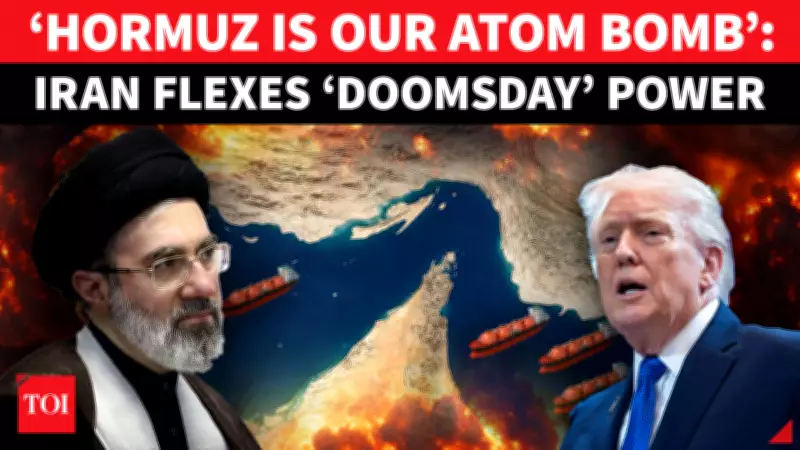
Iran has escalated the Gulf crisis to an existential level. Senior adviser Mohammad Mokhber officially compared control of the Strait of Hormuz to possessing an 'atomic bomb,' asserting that Tehran can disrupt the entire world economy with a single command. This goes beyond a mere blockade; Tehran is signaling its intention to permanently alter the legal framework governing the Strait, transforming the world's most critical oil corridor into a permanent Iranian weapon.
Strategic Implications
The Strait of Hormuz is a vital chokepoint for global oil shipments. By framing its control as a nuclear-level deterrent, Iran aims to shift the balance of power in the region. The United States and its allies are closely monitoring the situation, as any disruption could trigger a severe economic crisis.
Regional Reactions
Neighboring countries have expressed concern over Iran's aggressive posture. The Gulf Cooperation Council has called for de-escalation, while the US Navy remains on high alert. Analysts warn that Iran's move could lead to a direct confrontation if diplomatic efforts fail.

This development marks a new phase in the ongoing tensions, with Iran leveraging its geographic advantage to challenge international norms. The world watches as Tehran prepares to enforce its revised rules, potentially reshaping global energy security.