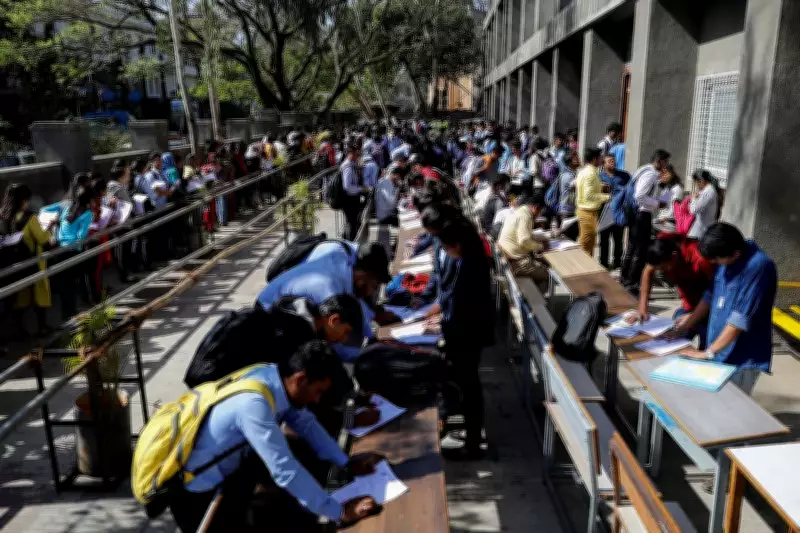
India's Job Crisis: Life in the Great Waiting Room of Unemployment
India is grappling with a profound job crisis, where millions of educated young people find themselves trapped in what can be described as a 'great waiting room' of unemployment. This situation underscores significant economic and social challenges that threaten the nation's growth and stability.
The Scale of the Unemployment Problem
The unemployment rate in India remains alarmingly high, particularly among the youth and those with higher education. According to recent data, a large portion of graduates and postgraduates are unable to secure stable employment, leading to widespread frustration and disillusionment. This crisis is not confined to rural areas but is equally prevalent in urban centers, where job opportunities fail to match the growing workforce.
Factors Contributing to the Job Crisis
Several factors have contributed to this ongoing job crisis. Economic slowdowns and structural issues in key industries have reduced hiring, while the education system often fails to equip students with skills relevant to the modern job market. Additionally, automation and technological advancements are displacing traditional jobs, further exacerbating the problem.

- Insufficient job creation in sectors like manufacturing and services.
- Mismatch between educational qualifications and industry requirements.
- Impact of global economic trends on India's labor market.
Social and Economic Implications
The 'great waiting room' phenomenon has far-reaching consequences. Prolonged unemployment leads to financial strain on families, increased mental health issues among the youth, and a loss of human capital that could drive innovation and growth. It also fuels social unrest and political discontent, as young people feel left behind by the economic system.
Government and Policy Responses
In response to this crisis, the Indian government has launched various schemes and initiatives aimed at boosting employment. Programs like Skill India and Make in India seek to enhance vocational training and promote industrial growth. However, critics argue that these measures have not yet made a substantial dent in the unemployment numbers, calling for more comprehensive and targeted policies.
- Expansion of public sector jobs and infrastructure projects.
- Encouragement of entrepreneurship and startup ecosystems.
- Reforms in education to align with market needs.
The Path Forward
Addressing India's job crisis requires a multi-faceted approach. Sustained economic growth is essential to create new opportunities, coupled with educational reforms that focus on skill development. Collaboration between the government, private sector, and educational institutions is crucial to bridge the gap between job seekers and employers. Without urgent action, the 'great waiting room' could become a permanent feature of India's socio-economic landscape, hindering its progress and potential.