

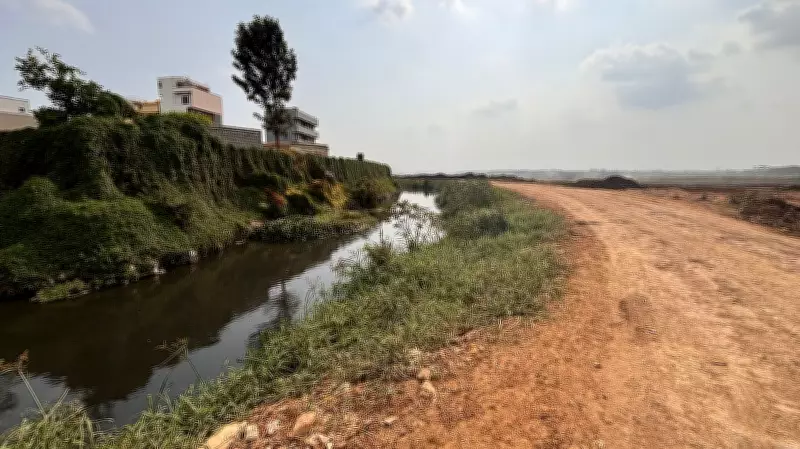
Bengaluru's lake restoration efforts have often been criticized for falling short of their goals. While fountains and other aesthetic features are frequently installed, they fail to address underlying ecological issues. Experts argue that without proper maintenance and a holistic approach, these fixes remain superficial.
The Fountain Paradox
Fountains in lakes are often seen as a quick fix to improve water quality and aesthetics. However, when not maintained, they become useless. Properly managed, fountains can aerate water and reduce algal blooms. But in many Bengaluru lakes, fountains are either broken or underutilized.
Root Causes of Failure
Several factors contribute to the inadequacy of restoration projects. First, lack of long-term maintenance plans leads to deterioration. Second, many projects focus on cosmetic changes rather than addressing pollution sources. Third, community involvement is often minimal, resulting in neglect.

- Insufficient funding for ongoing upkeep
- Lack of coordination among agencies
- Ignoring catchment area management
For instance, the restoration of Bellandur Lake has seen multiple interventions, yet the lake remains polluted due to untreated sewage inflow. Similarly, Varthur Lake suffers from encroachment and industrial waste.
Way Forward
To make lake restoration effective, a shift in approach is needed. This includes:
- Integrated watershed management
- Regular monitoring and maintenance
- Community engagement and citizen science
- Strict enforcement of pollution norms
Only by addressing these aspects can Bengaluru's lakes be truly restored to health.






