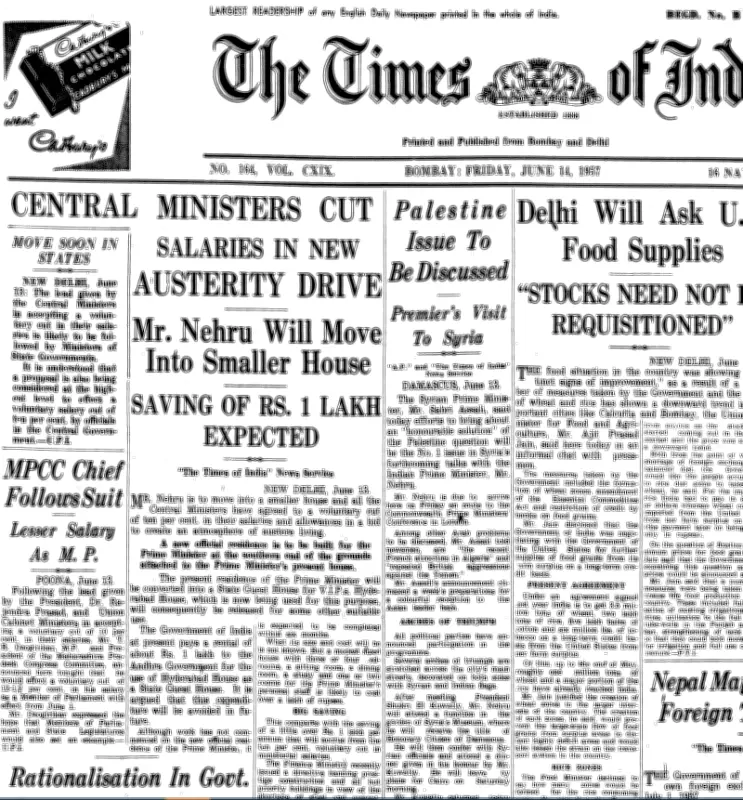
When Prime Minister Narendra Modi urged Indians to defer gold purchases and conserve foreign exchange amid the escalating West Asia crisis, he was following a template set by successive prime ministers and finance ministers over decades.
A Tradition of Sacrifice
Since Independence, India’s political leadership has repeatedly called on citizens to embrace austerity during global crises. Each time, those in power have also attempted to set an example — sometimes successfully, but often becoming a source of memes.
The Nehruvian Era
In the 1960s, Jawaharlal Nehru appealed to the nation to tighten belts during the Sino-Indian war and subsequent economic strain. His government promoted simple living and high thinking, but the effectiveness of such calls varied.

Indira Gandhi's Emergency
During the 1970s oil crisis, Indira Gandhi famously asked Indians to give up one meal a week. While the gesture was symbolic, it highlighted the government's struggle to manage foreign exchange reserves.
Liberalisation and Beyond
In 1991, Finance Minister Manmohan Singh introduced economic reforms but also requested voluntary gold deposits to shore up reserves. The campaign saw limited success, with only a few tonnes collected.
The Modi Appeal
In 2026, PM Modi's call to reduce gold imports aimed at protecting the rupee and curbing current account deficit. Social media quickly lit up with memes comparing his lifestyle to his appeal, though officials noted the PM's personal frugality.
Despite the mixed outcomes, these appeals reflect a deep-rooted belief in collective sacrifice as a tool for national resilience. However, critics argue that structural reforms and better economic management are more effective than moral suasion.