

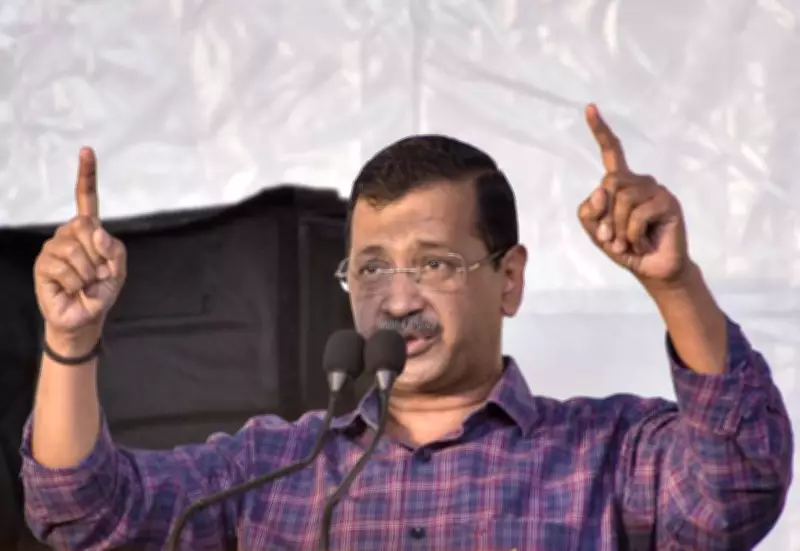
Kejriwal Alerts Nation to Critical LPG Shortage Following Hormuz Strait Disruption
Delhi Chief Minister Arvind Kejriwal has issued a stark warning, stating that India is confronting a severe shortage of liquefied petroleum gas (LPG). This crisis stems from the complete stoppage of supply through the strategically vital Strait of Hormuz, a key maritime chokepoint for global energy shipments.
Supply Chain Breakdown Impacts Household Fuel
The disruption in the Strait of Hormuz has effectively severed a critical artery for LPG imports into the country. Kejriwal emphasized that this halt is causing immediate and significant repercussions for domestic fuel availability. Households across the nation, heavily reliant on LPG for cooking and heating, are likely to face mounting challenges in securing cylinders.
"Our country is facing a severe shortage of LPG as supply through the Strait of Hormuz has stopped," Kejriwal stated, highlighting the gravity of the situation. The Strait of Hormuz is a narrow passage between the Persian Gulf and the Gulf of Oman, through which a substantial portion of the world's seaborne oil and gas, including LPG, transits. Any blockage or stoppage here has a direct and amplified effect on energy-importing nations like India.

Broader Implications for Energy Security
This development raises serious concerns about India's energy security and its vulnerability to geopolitical tensions affecting key trade routes. The nation's dependence on imported LPG makes it particularly susceptible to such supply shocks. The current shortage could lead to:
- Increased prices for LPG cylinders in the open market.
- Longer waiting periods for cylinder refills under government schemes.
- Potential shifts to alternative, less efficient fuels by households, with environmental and health consequences.
Kejriwal's alert serves as a call to action for both central and state authorities to urgently address the supply gap. Potential measures may include diversifying import sources, increasing domestic production, and implementing temporary rationing or prioritization protocols to ensure equitable distribution during the crisis.
The situation underscores the fragile nature of global energy supply chains and the need for robust contingency planning. As authorities scramble to mitigate the impact, millions of Indian families await clarity and relief from this pressing fuel shortage.






