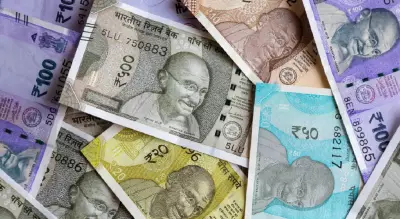
The Indian rupee has been under significant pressure against the US dollar, but economists argue that allowing market forces to determine its value could benefit the economy in the long run. Rather than intervening to artificially prop up the currency, the Reserve Bank of India (RBI) should let the rupee depreciate naturally, which would boost exports and help manage the trade deficit.
The Case for Depreciation
A weaker rupee makes Indian goods cheaper in international markets, enhancing export competitiveness. This is particularly important as global demand slows and India aims to increase its manufacturing footprint under the 'Make in India' initiative. Export-oriented sectors such as textiles, pharmaceuticals, and IT services stand to gain significantly from a lower rupee.
Managing the Trade Deficit
India's trade deficit has widened due to higher import bills, especially for crude oil and gold. A depreciated rupee makes imports more expensive, which could naturally curb demand for non-essential imports and reduce the deficit. This market-driven adjustment is more sustainable than relying on capital inflows or foreign exchange reserves to stabilize the currency.

Risks of Intervention
Intervening in the foreign exchange market to support the rupee can deplete reserves and create distortions. The RBI has been selling dollars to prevent sharp falls, but this is a short-term fix. Prolonged intervention may lead to a loss of investor confidence and increase the risk of speculative attacks on the currency.
Inflation Concerns
One downside of a weaker rupee is imported inflation, as goods like oil become costlier. However, with global commodity prices moderating and domestic inflation under control, the RBI has room to tolerate some depreciation without triggering a price spiral.
Long-Term Benefits
Letting the rupee find its natural level can also encourage foreign investment in export-oriented industries, as investors seek to capitalize on lower production costs. Over time, this can lead to higher economic growth and job creation. The key is to manage the transition smoothly, avoiding abrupt volatility that could disrupt markets.
In conclusion, while a falling rupee may cause short-term pain, allowing market forces to work is the best strategy for India's long-term economic health. The RBI should focus on maintaining orderly market conditions rather than defending any particular exchange rate level.