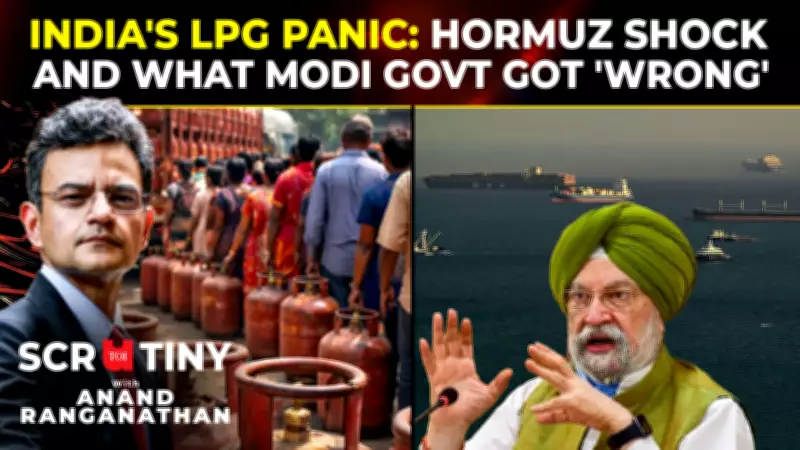
LPG Panic in India: Hormuz Blockade Exposes Critical Energy Vulnerability
As the conflict in West Asia intensifies, Iran's tightening blockade around the strategic Strait of Hormuz has sent shockwaves through India, triggering widespread panic about potential liquefied petroleum gas (LPG) shortages. With nearly 90% of India's imported LPG passing through this narrow maritime chokepoint, shipping disruptions have sparked hoarding behavior and public anxiety across the nation.
Government Response and Emergency Measures
The Indian government has responded swiftly to the emerging crisis, invoking the Essential Commodities Act to prevent price gouging and ensure supply chain stability. Authorities have implemented a multi-pronged strategy that includes boosting domestic LPG production by 25% and prioritizing household supplies over commercial consumption. These emergency measures aim to cushion the impact of potential import disruptions while maintaining essential services for millions of Indian families.
Anand Ranganathan's Scrutiny: Separating Fact from Fiction
In a detailed analysis on Scrutiny, commentator Anand Ranganathan breaks down the hard numbers behind India's LPG vulnerability. "India consumes between 32 and 33 million tonnes of LPG annually, with approximately 60% imported and the majority of those imports flowing through the Strait of Hormuz," Ranganathan explains. He emphasizes that while the situation appears dire, there are critical buffers in place that the public may not fully appreciate.

Ranganathan directly challenges what he terms "canards and confusion" surrounding India's energy reserves. "India's overall LPG storage capacity can sustain the nation for 28 to 30 days. There is a substantial buffer that many are overlooking in the current panic," he asserts. The commentator argues that perception management and clear communication have become as crucial as physical supply management in the current crisis.
The Critical Timeline: When Buffer Meets Reality
The central question emerging from this analysis revolves around timing. If the West Asia conflict persists for another two weeks or longer, will India's 28-30 day buffer prove sufficient? Ranganathan's examination suggests that while physical supplies may hold, psychological factors could accelerate a crisis. The intersection of actual supply constraints with public perception creates a volatile situation where panic could potentially outpace reality.
Beyond the Numbers: The Human Dimension
The LPG situation extends beyond statistics into daily life implications for millions of Indian households. The government's prioritization of domestic supplies reflects recognition of LPG's essential role in cooking and heating for both urban and rural populations. This crisis highlights India's broader energy security challenges and dependence on volatile international shipping routes for critical commodities.
Ranganathan's analysis cuts through political noise and misinformation to present a clear-eyed assessment of India's gas supply reality. His examination reveals that while vulnerabilities exist, strategic reserves and emergency measures provide significant protection against immediate collapse. The true test will come if the Hormuz blockade extends beyond current projections, potentially forcing India to implement more drastic conservation measures and alternative supply arrangements.