Domestic LPG Cylinder Prices to Increase by Rs 60 Across India from March 7
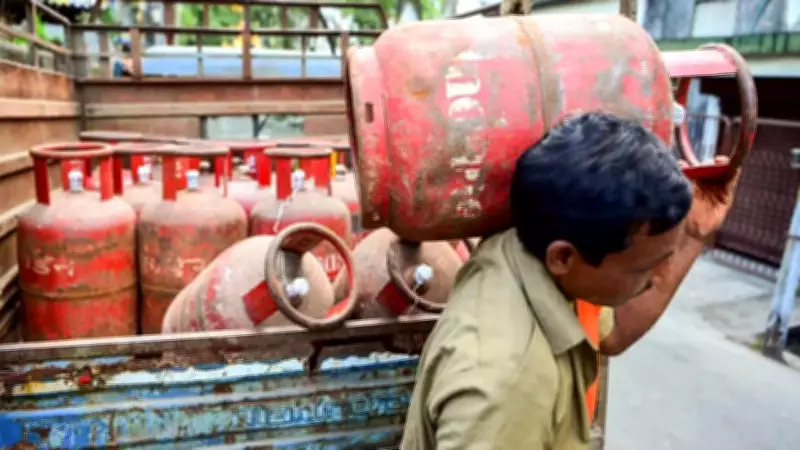
According to sources cited by news agency ANI, the price of domestic cooking gas cylinders is set to rise from Saturday, March 7. A 14.2-kg LPG cylinder will see an increase of Rs 60 across the country, impacting household budgets and commercial operations.
Revised Prices for Major Cities
The price revision will affect key metropolitan areas as follows:
- In Delhi, the cost of a 14.2-kg domestic LPG cylinder is expected to climb from Rs 853 to Rs 913.
- In Mumbai, the rate will go up from Rs 852.50 to Rs 912.50.
- In Kolkata, the price will rise from Rs 879 to Rs 930.
- In Chennai, it will increase from Rs 868.50 to Rs 928.50.
The new rates will be implemented immediately, marking the first significant adjustment in domestic LPG prices since April 2025, when the non-subsidised rate in Delhi was Rs 853.

Impact on Commercial LPG Cylinders
Businesses will also feel the pinch, with the price of a 19-kg commercial LPG cylinder rising by Rs 115 from the same date. The revised prices for commercial cylinders are:
- In Delhi: from Rs 1,768.50 to Rs 1,883.
- In Mumbai: from Rs 1,720.50 to Rs 1,835.
- In Kolkata: from Rs 1,875.50 to Rs 1,990.
- In Chennai: from Rs 1,929 to Rs 2,043.50.
This hike is anticipated to affect commercial establishments such as hotels and restaurants that rely heavily on LPG for their daily operations.
Government Reassures on Energy Security
The price increase comes amid broader discussions about India's energy supply situation, particularly as tensions in West Asia raise concerns over potential disruptions in global oil routes. Union Minister for Petroleum and Natural Gas Hardeep Singh Puri has sought to reassure consumers, stating that the government is committed to ensuring affordable and sustainable fuel availability.
"Our priority is to ensure the availability of affordable and sustainable fuel for our citizens, and we are doing it comfortably. There is no shortage of energy in India, and there is no cause of worry for our energy consumers," Puri said in a post on X.
Indian Oil Corporation has also dismissed rumours about petrol and diesel shortages, calling them baseless. The company affirmed that India has adequate fuel stocks and that supply and distribution networks are functioning normally.
India's Diversified Energy Strategy
Government sources indicate that India remains in a "very comfortable position" regarding crude oil, petroleum products, and LPG supplies, despite concerns linked to the Strait of Hormuz. The country has diversified its crude import basket in recent years, sourcing energy from multiple geographies to reduce dependence on any single route.
Notably, Russia, which accounted for only 0.2% of India's crude imports in 2022, has become a major supplier. In February, India imported approximately 20% of its crude requirements from Russia, equating to roughly 1.04 million barrels per day.
Officials have directed LPG refineries to increase production to maintain adequate supplies. Additionally, imports from the United States have begun arriving since January under a one-year contract signed by Indian public sector oil companies for around 2.2 million tonnes of LPG from the US Gulf Coast for 2026.