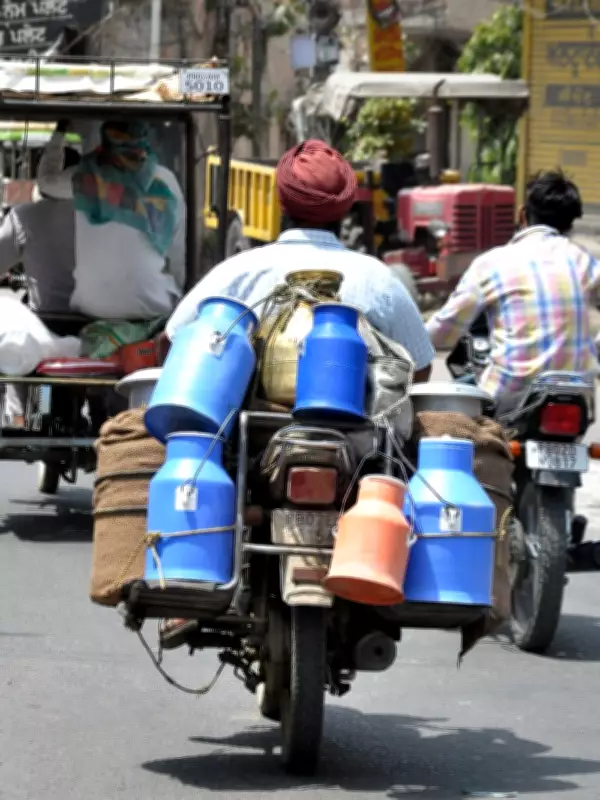
Milk Prices in Jalandhar Set to Rise by Rs 5 per Litre from April 1
In a significant development affecting household budgets across the region, milk prices in Jalandhar are slated to increase by Rs 5 per litre, effective from April 1, 2024. This price adjustment marks a notable shift in the local dairy market, with implications for consumers, dairy farmers, and the broader economy of the area.
Details of the Price Hike
The decision to raise milk prices by Rs 5 per litre has been confirmed by local dairy associations and suppliers in Jalandhar. This increase applies to standard packaged milk sold through retail outlets and direct vendors, impacting a wide range of consumers from families to commercial establishments. The hike is attributed to rising operational costs, including feed prices for cattle, transportation expenses, and inflationary pressures in the supply chain.
Key factors driving this price rise include:

- Increased costs of cattle feed and fodder due to seasonal variations and market fluctuations.
- Higher fuel prices affecting transportation and distribution networks.
- General inflation impacting labor wages and maintenance expenses for dairy farms.
This move follows similar trends observed in other parts of Punjab and neighboring states, where dairy products have seen periodic price adjustments in response to economic conditions.
Impact on Consumers and the Local Economy
The Rs 5 per litre hike is expected to have a direct effect on household expenses in Jalandhar, as milk is a staple item in many diets. Families may need to adjust their budgets or seek alternatives, potentially leading to changes in consumption patterns. For low-income households, this increase could pose a financial strain, highlighting broader concerns about affordability and food security.
From an economic perspective, the price rise reflects challenges in the dairy sector, including supply chain inefficiencies and external cost pressures. Dairy farmers, while benefiting from higher selling prices, also face increased input costs, which may limit profit margins. This situation underscores the need for sustainable practices and policy support to stabilize the industry.
Broader Context and Future Outlook
The timing of this price hike, set for April 1, aligns with the start of the new financial year, a period often marked by adjustments in various sectors. Authorities and dairy cooperatives in Jalandhar have emphasized that the increase is necessary to maintain quality standards and ensure fair compensation for producers. However, consumer advocacy groups have raised concerns about transparency and the cumulative impact of such hikes on inflation.
Looking ahead, stakeholders are monitoring market responses and potential government interventions to mitigate effects on vulnerable populations. This development serves as a reminder of the interconnectedness of agricultural production, economic policies, and daily life in urban and rural settings.