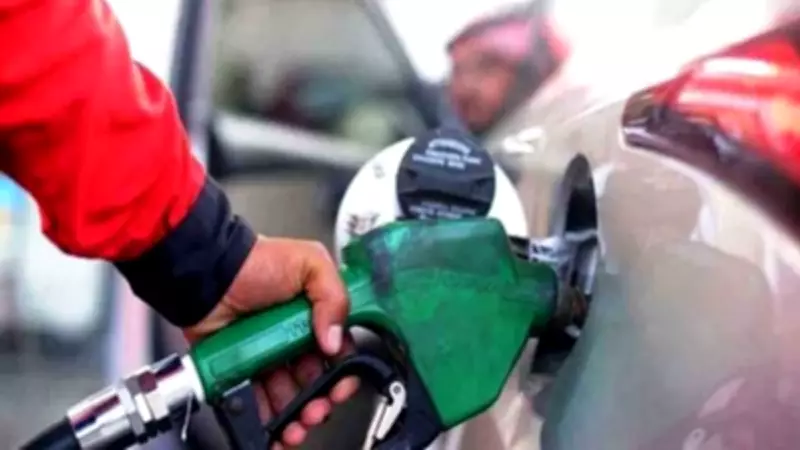
In a significant move for consumers, the Indian government on Thursday slashed petrol prices by Rs 5 per litre and diesel prices by Rs 3 per litre, effective from July 1, 2026. The reduction comes in response to softening international crude oil prices, providing relief to millions of vehicle owners and households across the country.
Details of the Price Revision
The new prices will be applicable from 6 a.m. on July 1. Following the cut, petrol in Delhi will cost Rs 101.50 per litre, down from Rs 106.50, while diesel will be priced at Rs 87.50 per litre, down from Rs 90.50. Similar reductions will be implemented across all states, with variations due to local taxes and levies.
According to the Ministry of Petroleum and Natural Gas, the decision was taken after a sharp decline in global crude benchmarks. Brent crude has fallen to around $72 per barrel, down from $85 in early June, driven by concerns over global demand and increased supply from OPEC+ producers.

Impact on Consumers and Economy
The price cut is expected to bring down inflation, as fuel costs directly impact transportation and logistics. A reduction of Rs 5 in petrol could lower the wholesale price index by approximately 0.2 percentage points, according to economists. For a typical two-wheeler owner, the cut translates to savings of around Rs 250 per month, while car owners may save up to Rs 750 monthly.
"This is a welcome step that will ease the burden on the common man and help curb inflationary pressures," said Dr. R. K. Singh, a senior economist at the National Institute of Public Finance and Policy.
Government's Stance on Fuel Pricing
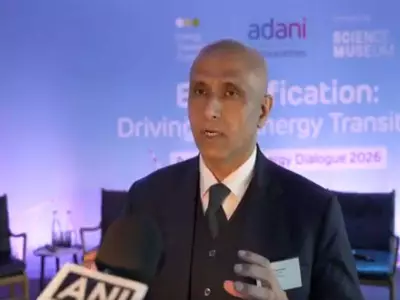
Oil Minister Hardeep Singh Puri stated, "The government is committed to passing on the benefits of lower international prices to consumers. We will continue to monitor the situation and take necessary actions." He added that the reduction was made possible due to the government's prudent fiscal management and the stability of the rupee against the dollar.
The last major revision in fuel prices occurred in May 2026, when prices were hiked by Rs 2 per litre due to rising crude costs. This reversal marks a shift in the pricing trend, providing respite ahead of the festive season.
Reactions from Industry and Public
Industry bodies welcomed the move. The Federation of Indian Chambers of Commerce and Industry (FICCI) said it would boost consumer spending and reduce input costs for businesses. Transport associations also hailed the decision, noting that lower diesel prices would reduce freight charges.
Common citizens expressed relief. "I spend about Rs 3,000 on petrol every month for my commute. This cut will save me around Rs 300-400," said Amit Sharma, a Delhi-based software engineer. However, some analysts cautioned that the reduction might be temporary if global prices rebound.
Future Outlook
Experts suggest that the government may consider further cuts if crude prices remain subdued. However, the recent OPEC+ decision to maintain production cuts could limit the downside. The government also has to balance revenue needs, as fuel taxes contribute significantly to the exchequer.
Consumers are advised to check the latest prices at their local fuel stations as state-level taxes vary. The cut is applicable to both public sector and private oil marketing companies.