

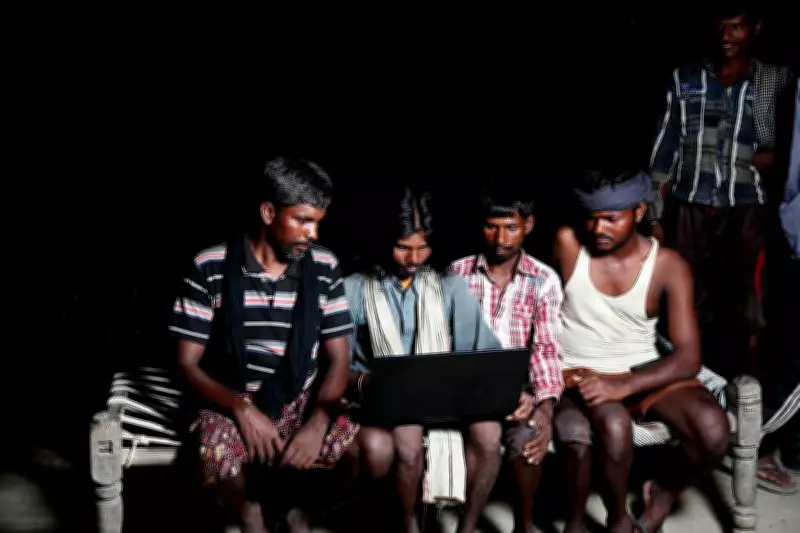
Portal Raj: MSP on Paper, Distress Sales in Reality for Indian Farmers
The Indian government's ambitious electronic National Agriculture Market (e-NAM) portal was launched with the promise of revolutionizing agricultural trade by ensuring Minimum Support Price (MSP) for farmers across the country. However, a stark disconnect exists between policy on paper and the harsh realities faced by farmers on the ground. While the portal aims to create a unified market and eliminate distress sales, numerous reports and field studies indicate that many farmers continue to sell their produce at prices significantly below the MSP, trapped in a cycle of financial hardship.
The Promise of e-NAM and MSP
Introduced in 2016, the e-NAM portal was designed to integrate agricultural markets electronically, allowing farmers to sell their produce online and receive competitive prices, ideally at or above the MSP. The MSP itself is a government-set price intended to protect farmers from market fluctuations and ensure a minimum profit. This digital initiative was hailed as a step towards transparency and efficiency in India's agricultural sector, which employs over half of the population.
Ground Realities: Why Distress Sales Persist
Despite these lofty goals, the implementation of e-NAM has been plagued by systemic issues. Many farmers, especially in remote and rural areas, lack access to reliable internet connectivity and digital literacy, making it difficult for them to utilize the portal effectively. Additionally, infrastructure gaps such as inadequate storage facilities and transportation logistics force farmers to sell their produce immediately after harvest, often to local traders who offer prices below MSP due to the perishable nature of crops.

- Limited Market Integration: Not all agricultural markets are fully integrated into e-NAM, reducing its reach and impact.
- Trader Dominance: Local traders and middlemen continue to wield significant influence, manipulating prices and bypassing the portal.
- Delayed Payments: Even when sales occur through e-NAM, farmers often face delays in receiving payments, exacerbating financial stress.
- Crop-Specific Issues: For many non-MSP crops or those with volatile demand, farmers have little protection, leading to distress sales.
Case Studies and Farmer Testimonies
Reports from states like Punjab, Maharashtra, and Uttar Pradesh highlight widespread instances where farmers sold paddy, wheat, and pulses at prices 20-30% below the MSP. In some cases, farmers resorted to distress sales due to mounting debts and the urgent need for cash, despite the theoretical availability of MSP through e-NAM. These testimonies underscore the gap between digital promises and agrarian realities, calling for urgent policy reforms.
Policy Implications and the Way Forward
The persistence of distress sales raises critical questions about the effectiveness of India's agricultural policies. To bridge this gap, experts recommend enhancing digital infrastructure in rural areas, increasing awareness and training for farmers on using e-NAM, and strengthening enforcement mechanisms to ensure MSP compliance. Additionally, expanding MSP coverage to more crops and improving procurement systems could provide broader protection.
In conclusion, while the e-NAM portal represents a forward-looking approach to agricultural marketing, its success hinges on addressing the deep-rooted challenges that lead to distress sales. Without comprehensive reforms, the vision of a "Portal Raj" ensuring fair prices for farmers remains largely on paper, leaving many in a state of economic distress.






