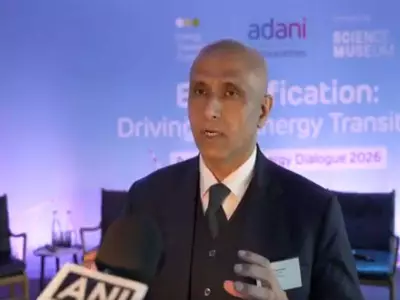
India successfully navigated the energy disruptions caused by the escalating conflict in West Asia, thanks to proactive measures by the government and years of resilience planning, according to Sukhmal Jain, former Director (Marketing) at Bharat Petroleum Corporation Limited (BPCL).
Government’s two-pronged strategy to manage supply and demand
Speaking to ANI, Jain stated that while there were widespread fears of a severe crisis, the groundwork laid by oil companies, the Ministry of Petroleum, and the government over the past few years ensured preparedness. “We decided to tackle this on two fronts: managing the supply side and simultaneously controlling the demand side,” he explained.
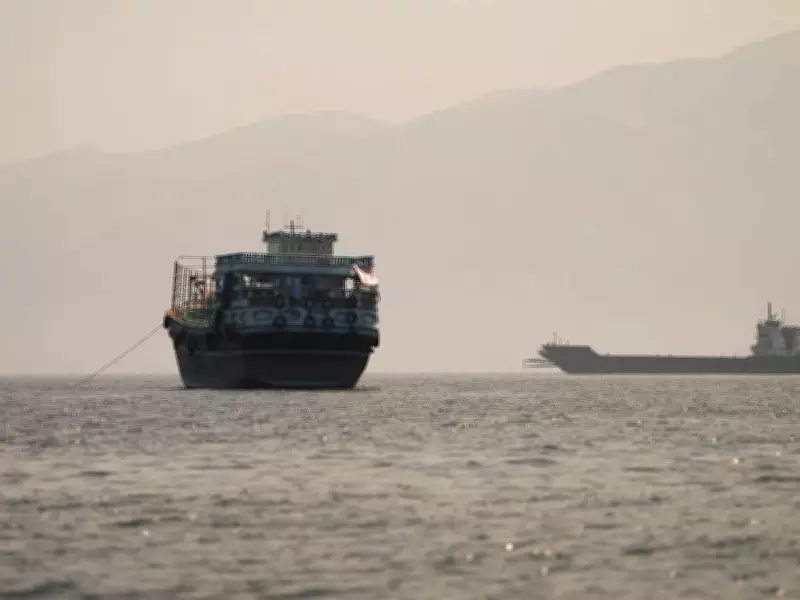
On the supply front, the government coordinated extensively across multiple departments. “Whether it was the Ministry of External Affairs, the Shipping Ministry, or identifying other countries where we could source products, every possible avenue was explored and utilised,” Jain said. He added that even float vessels carrying products mid-sea were explored to secure immediate supplies.

Seamless execution through inter-departmental coordination
To ensure seamless execution, the administration maintained strict vigilance over logistics. “The coordination between the central government’s various arms and state governments was crucial in executing this machinery without friction,” Jain emphasised.
The conflict between Iran and the Israel-US alliance, which began on February 28, 2026, caused global energy disruptions. The government managed the crisis by putting minimal burden on the common man, Jain noted.