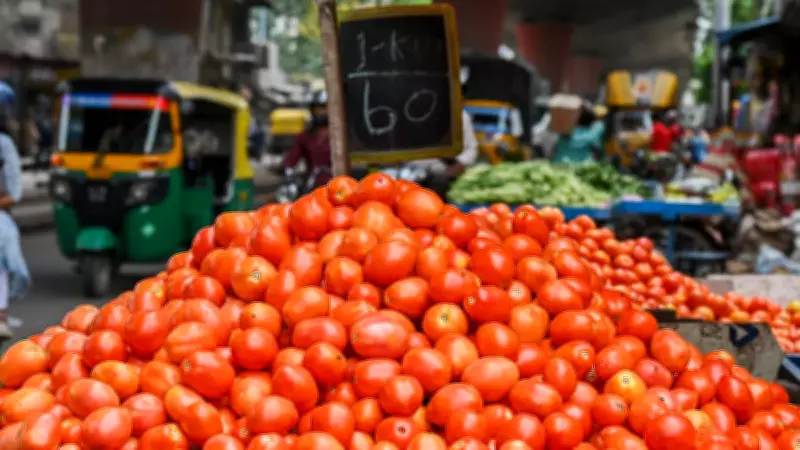
India's Retail Inflation Accelerates to 3.21% in February
India's retail inflation, as measured by the Consumer Price Index (CPI), rose to 3.21% in February 2024, marking a significant increase from the 2.74% recorded in January, according to data released by the Ministry of Statistics and Programme Implementation. This uptick reflects mounting price pressures in the economy, driven primarily by escalating costs in food and fuel sectors.
Key Drivers Behind the Inflation Surge
The month-on-month rise in inflation can be attributed to several factors. Food inflation played a pivotal role, with prices of essential items such as vegetables, pulses, and edible oils witnessing notable hikes. Additionally, fuel and light categories contributed to the upward trend, as global crude oil prices remained volatile and domestic fuel costs edged higher.
Core inflation, which excludes volatile food and energy prices, also showed signs of persistence, indicating underlying demand pressures in the economy. This development poses challenges for policymakers aiming to maintain price stability while supporting economic growth.

Implications for the Economy and Monetary Policy
The rise in retail inflation to 3.21% brings it closer to the Reserve Bank of India's (RBI) medium-term target of 4%, with a tolerance band of 2-6%. While still within the acceptable range, this acceleration may prompt the central bank to adopt a more cautious stance in its upcoming monetary policy reviews.
Economists suggest that sustained inflationary pressures could limit the RBI's ability to cut interest rates, potentially impacting borrowing costs for consumers and businesses. This, in turn, might affect consumption patterns and investment decisions, influencing overall economic momentum.
Regional and Sectoral Variations
Inflation trends varied across different regions and sectors. Urban areas experienced a slightly higher inflation rate compared to rural regions, reflecting disparities in consumption baskets and price dynamics. Key sectors contributing to the rise include:
- Food and Beverages: Increased by over 4% due to supply chain disruptions and seasonal factors.
- Housing: Showed moderate inflation, influenced by rising construction costs.
- Transport and Communication: Impacted by fuel price adjustments and telecom tariff hikes.
Looking ahead, experts anticipate that inflation may remain elevated in the coming months, driven by factors such as geopolitical tensions affecting global commodity prices and domestic supply-side constraints. Monitoring these trends will be crucial for ensuring economic stability and safeguarding consumer interests.