

Indian Rupee Records Significant Decline Against US Dollar
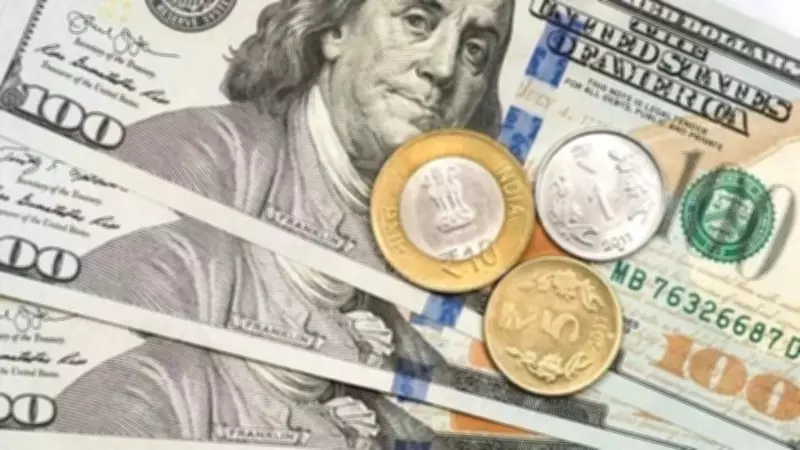
The Indian rupee experienced a notable depreciation in value on Monday, weakening by 56 paise to settle at 93.39 against the US dollar. This movement reflects ongoing volatility in the foreign exchange market, influenced by global economic factors and domestic financial conditions.
Intraday Trading Range and Opening Levels
At the interbank foreign exchange market, the rupee commenced trading at 93.30 against the US dollar. Throughout the session, it exhibited fluctuations, reaching a low of 93.40 and a high of 93.25. This trading pattern indicates active market participation and responsive adjustments to real-time economic indicators.
Factors Influencing Currency Movement
Global economic trends and domestic market sentiments are primary drivers behind the rupee's performance. The depreciation may be linked to shifts in international trade dynamics, changes in foreign investment flows, or adjustments in monetary policies by central banks worldwide.

Analysts monitor such movements closely, as they impact import-export balances, inflation rates, and overall economic stability. The rupee's value against the dollar is a critical benchmark for India's financial health and its integration into the global economy.
Implications for Businesses and Investors
- Exporters might benefit from a weaker rupee, as it makes Indian goods more competitive abroad.
- Importers could face higher costs, potentially affecting pricing and profit margins.
- Investors in forex markets need to stay informed about such fluctuations to make strategic decisions.
This development underscores the importance of vigilant market analysis and adaptive financial strategies in navigating currency risks. As the rupee continues to respond to both domestic and international pressures, stakeholders across sectors must remain agile to mitigate potential impacts on their operations and investments.






