

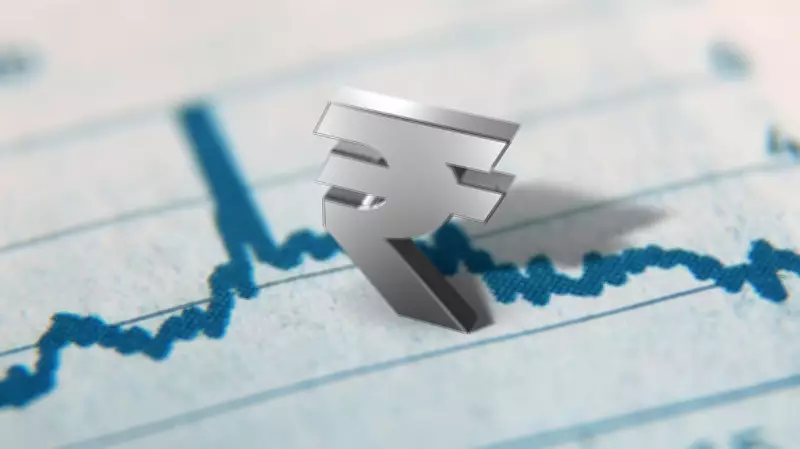
Indian Rupee Tumbles to Historic Low Against US Dollar
The Indian rupee experienced a significant decline in the foreign exchange market, dropping by 53 paise to settle at an all-time low of 92.35 against the US dollar. This sharp fall marks a concerning milestone for the currency, reflecting heightened volatility and pressure in global financial markets.
Key Factors Behind the Rupee's Steep Decline
Several critical elements contributed to the rupee's downward spiral. Primarily, robust demand for the US dollar from importers and corporations exerted substantial selling pressure on the Indian currency. Additionally, global economic uncertainties, including inflationary trends and geopolitical tensions, have bolstered the dollar's appeal as a safe-haven asset, further weakening emerging market currencies like the rupee.
Market analysts point to sustained foreign fund outflows and rising crude oil prices as additional drags on the rupee's performance. The combination of these factors created a perfect storm, driving the currency to its lowest-ever closing level against the greenback.

Implications for the Indian Economy
The rupee's record low carries significant implications for various sectors of the Indian economy. Importers are likely to face higher costs, potentially leading to increased prices for goods and services, which could fuel inflation. Conversely, exporters might benefit from more competitive pricing in international markets, though this advantage may be offset by broader economic challenges.
Financial experts emphasize that the Reserve Bank of India (RBI) may need to intervene to stabilize the currency if the downtrend persists. However, such measures must be balanced against the need to maintain foreign exchange reserves and support economic growth.
Outlook and Market Sentiment
Looking ahead, the rupee's trajectory will depend heavily on global monetary policies, particularly actions by the US Federal Reserve, and domestic economic indicators. Investors are advised to monitor key developments, including:
- Changes in interest rates and inflation data
- Shifts in foreign institutional investment flows
- Movements in global commodity prices, especially oil
While short-term volatility is expected, long-term stability will hinge on India's economic resilience and policy responses. Stakeholders across industries should prepare for potential currency fluctuations and their impact on business operations and financial planning.






