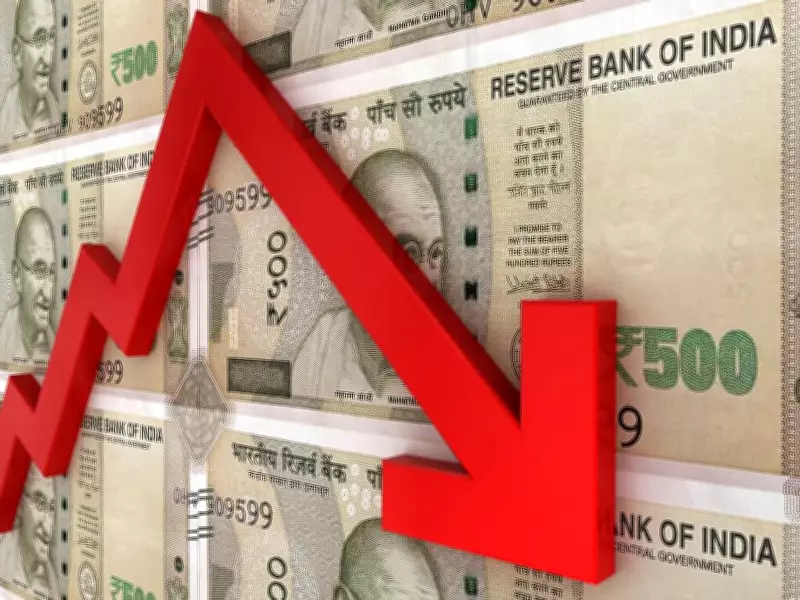
Indian Rupee Tumbles to All-Time Intra-Day Low Against US Dollar
In a significant development for the Indian economy, the rupee experienced a sharp decline in early trading sessions, hitting a record intra-day low. The currency fell by 12 paise to settle at 92.37 against the US dollar, marking a concerning trend for forex markets and financial analysts.
Factors Driving the Rupee's Depreciation
Global economic uncertainties and shifting investor sentiments have played a pivotal role in this downturn. The strengthening of the US dollar, fueled by expectations of monetary policy adjustments by the Federal Reserve, has exerted pressure on emerging market currencies, including the rupee. Additionally, domestic market volatility and fluctuating crude oil prices have contributed to the rupee's weakness, as India is a major importer of oil, and higher costs can impact the trade balance.
Impact on the Indian Economy
The rupee's fall to a record low has several implications:

- Increased import costs: A weaker rupee makes imports more expensive, potentially leading to higher inflation for goods like electronics, machinery, and petroleum products.
- Export competitiveness: On the positive side, a depreciated rupee can boost exports by making Indian goods cheaper in international markets, though this benefit may be offset by global demand fluctuations.
- Foreign investment flows: Currency volatility can deter foreign investors, affecting capital inflows and stock market performance, which are crucial for economic growth.
Market experts are closely monitoring the situation, with some predicting further pressure on the rupee if global headwinds persist. The Reserve Bank of India (RBI) may intervene to stabilize the currency through measures like forex market operations, but its ability to counter global trends is limited.
Broader Context and Future Outlook
This decline is part of a broader pattern of currency fluctuations in emerging economies, driven by factors such as geopolitical tensions, trade imbalances, and monetary policy divergences between major economies. For India, maintaining currency stability is essential to support economic recovery post-pandemic and manage external debt obligations.
Investors and policymakers are advised to stay vigilant, as continued depreciation could impact sectors like banking, real estate, and consumer goods. While short-term volatility is expected, long-term resilience will depend on structural reforms and robust economic fundamentals.