A new study reveals that solar power can outcompete grid electricity in rural India, but only when systems are designed to match local demand patterns. The research, conducted by a team of energy analysts, shows that cost advantages persist across diverse geographic and economic contexts, provided that planning is tailored to specific community needs.
Cost advantages across diverse contexts
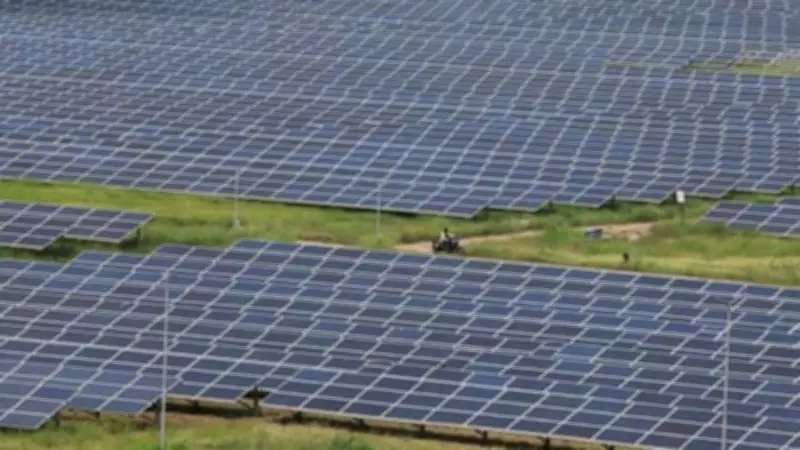
The modelling indicates that solar mini-grids and standalone systems can offer lower lifetime costs than extending or relying on the national grid in many rural areas. The study examined factors such as population density, distance from existing grid infrastructure, and daily electricity consumption profiles. It found that in villages with low to moderate demand, solar systems consistently undercut grid electricity on a per-unit cost basis.
“The key is not just installing solar panels, but designing the entire system—including storage and distribution—to match when and how people use power,” said lead researcher Dr. Anjali Sharma, according to the study. “A one-size-fits-all approach fails; customization is essential for economic viability.”

Policy implications for rural electrification
The findings have significant implications for India’s rural electrification strategy. The government has invested heavily in extending the national grid, but the study suggests that decentralized solar solutions could be more cost-effective in many areas, especially those far from existing power lines.
The research also highlights the importance of integrating solar with other technologies, such as battery storage and efficient appliances, to maximize benefits. “When you combine solar with energy-efficient fans and pumps, the savings multiply,” the study notes.
However, the authors caution that without proper planning, solar projects can fail to deliver expected returns. They recommend that policymakers and developers conduct detailed local demand assessments before choosing between grid extension and solar deployment.
Future of solar in rural India
India has set ambitious targets for solar capacity, aiming to reach 500 GW by 2030. Rural solar installations are a key component of this goal, with programs like the PM-KUSUM scheme promoting solar pumps and mini-grids. The study provides evidence that such investments can be economically sound if implemented with careful planning.
“Our analysis shows that solar can be a winning solution for rural India, but it requires moving beyond generic installations to context-specific designs,” the researchers concluded.