Real wages across rural and urban India have stagnated, leading to a concerning shift towards debt-driven spending among the working class, according to analysts Deepanshu Mohan and Srisoniya Subramoniam.
The Wage Stagnation Crisis
Data from the Ministry of Statistics and Programme Implementation shows that average real wages for casual workers in rural areas grew by just 1.2% annually between 2019 and 2024, while urban informal sector wages saw a mere 0.8% increase. This stagnation contrasts sharply with rising costs of essentials, which have climbed by over 6% per year in the same period.
“The working class is caught between stagnant incomes and rising expenses, forcing many to borrow for daily needs,” the authors note.

Debt-Fuelled Consumption
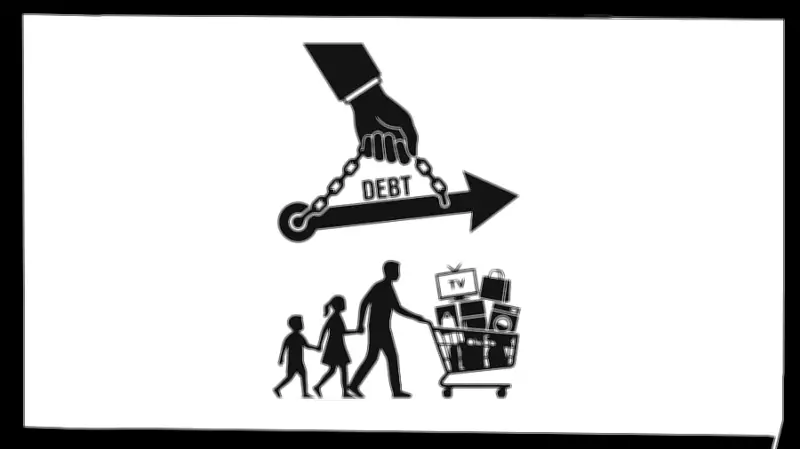
Household debt as a share of GDP has surged from 32% in 2019 to 39% in 2025, with unsecured loans growing at 18% annually. Microfinance institutions report a 25% increase in small-ticket loans for consumption purposes.
“This is not aspirational spending but survival borrowing,” the article states, highlighting that 60% of new loans are used for food, healthcare, and education.
Rural vs. Urban Divide
Rural areas have been hit harder, with agricultural wages growing at just 0.5% per year. Urban workers face job insecurity, with informal employment accounting for 90% of the workforce. The authors point out that even formal sector workers are not immune, as real wages in manufacturing have declined by 2% since 2020.
“The promise of a $5 trillion economy rings hollow when the majority cannot afford basic necessities,” they add.
Policy Implications
The authors call for urgent policy interventions, including strengthening social security, raising minimum wages, and curbing predatory lending. Without action, they warn, the debt trap could lead to a broader economic crisis.
“The Indian working class is being squeezed from all sides. Addressing this requires a fundamental rethinking of growth models,” the article concludes.