

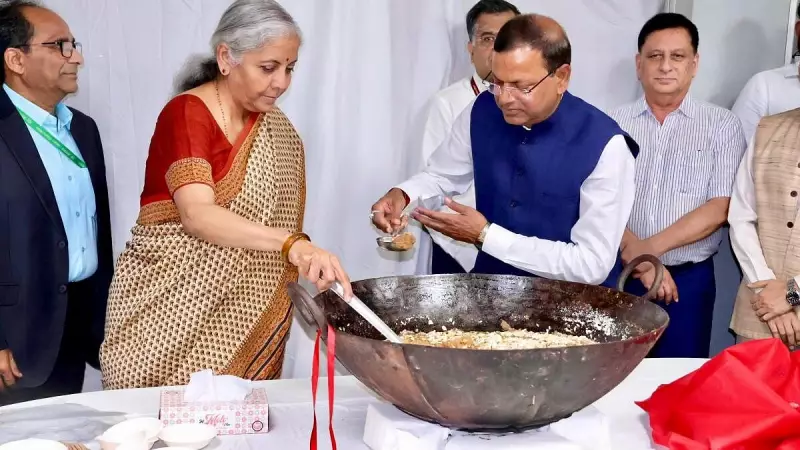
Union Budget 2026: Understanding the Halwa Ceremony Tradition
The Union Budget 2026 preparations have officially begun with a unique and sweet tradition. The government recently hosted the Halwa Ceremony, marking the start of the budget process. This ceremony holds deep significance in India's financial calendar.
What is the Halwa Ceremony?
The Halwa Ceremony is a traditional event held a few days before the Union Budget presentation. Government officials prepare and serve halwa, a popular Indian dessert, to all staff involved in budget preparation. This ritual symbolizes the beginning of the confidential budget-making phase.
During this period, officials enter a lockdown mode known as 'lock-in.' They work in complete secrecy to finalize budget documents. The halwa serving represents a gesture of appreciation for their hard work and dedication.

Historical Significance and Modern Practice
This tradition dates back several decades in Indian parliamentary history. It has become an integral part of the budget process under various governments. Finance Minister Nirmala Sitharaman continues to uphold this practice for Union Budget 2026.
The ceremony serves multiple purposes:
- It officially inaugurates the budget preparation process
- It marks the beginning of the lockdown period for officials
- It boosts morale among the budget preparation team
- It maintains continuity with parliamentary traditions
The Lock-In Period Explained
Following the Halwa Ceremony, officials enter a strict isolation period. They remain within the North Block premises until the budget presentation. This ensures complete confidentiality of budget proposals and figures.
The lock-in period typically lasts about ten days. During this time, officials have limited contact with the outside world. They focus entirely on finalizing the budget documents for presentation to Parliament.
This practice ensures that budget details remain secure until the finance minister's official announcement. It prevents any premature leaks that could affect markets or public perception.
Why Halwa Specifically?
Halwa holds cultural significance in Indian traditions. It is often served during celebrations and important occasions. The sweet dish represents:
- A auspicious beginning to important work
- A token of appreciation for hard work ahead
- A unifying element that brings the team together
- A break from routine before intensive work begins
The choice of halwa over other sweets reflects its widespread popularity across India. It is easily recognizable and appreciated by people from different regions.
Union Budget 2026 Context
For Union Budget 2026, the Halwa Ceremony takes on added significance. It comes at a time when the Indian economy faces multiple challenges and opportunities. The budget preparation team must address various economic indicators and public expectations.
The ceremony signals that serious work on the budget has commenced. It reassures stakeholders that the government is following established procedures. The tradition continues despite modern technological advancements in budget preparation.
As Finance Minister Nirmala Sitharaman prepares to present her budget, this ceremony reminds everyone of the human effort behind the numbers. It highlights the dedication of countless officials working behind the scenes.
The Halwa Ceremony remains a cherished tradition in India's democratic process. It blends cultural practices with governmental procedures. This unique combination makes the Indian budget process distinctive among world economies.






