

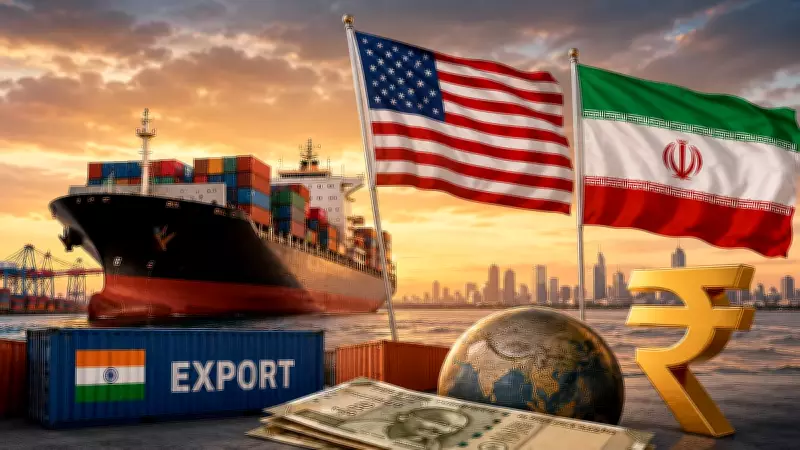
The historic peace deal between the United States and Iran is expected to have a significant positive impact on India's economy, particularly by boosting exports and stabilizing the rupee. According to analysts, the agreement promises relief from high energy prices, which had been exerting pressure on the rupee and fueling inflation risks during the prolonged conflict.
Energy Prices and Rupee Stability
India, being a major importer of crude oil, has been vulnerable to fluctuations in global energy markets. The US-Iran conflict had driven up oil prices, straining India's current account deficit and weakening the rupee. With the peace deal, oil prices are expected to ease, reducing import costs and supporting the rupee. This stabilization is likely to lower inflation, which had been a concern for policymakers.
Boost to Indian Exports
The deal is also seen as a catalyst for Indian exports. Lower energy costs will make Indian goods more competitive globally, while improved geopolitical stability could open new trade opportunities. Sectors such as pharmaceuticals, textiles, and engineering goods are expected to benefit from enhanced market access and reduced shipping costs.

- Pharmaceuticals: India's generic drug exports could see increased demand as global supply chains stabilize.
- Textiles: Lower production costs may boost competitiveness against rivals like Bangladesh and Vietnam.
- Engineering Goods: Reduced input costs could expand margins and export volumes.
Broader Economic Implications
Economists suggest that the peace deal could also improve investor sentiment, attracting foreign capital to Indian markets. This would further strengthen the rupee and support growth. However, they caution that the full benefits depend on sustained implementation of the agreement.
In summary, the US-Iran peace deal offers a multi-faceted boost to India's economy, from lower energy costs and rupee stability to enhanced export competitiveness and reduced inflation risks.






