Uzbekistan is gaining traction among Indian students seeking medical education abroad as the 2026 admission season accelerates. Approximately 16,000 Indian students are currently enrolled in medical institutions across the country, driven by recent improvements in academic quality, clinical training, and regulatory engagement.
Embassy Facilitates Compliance with NMC Regulations
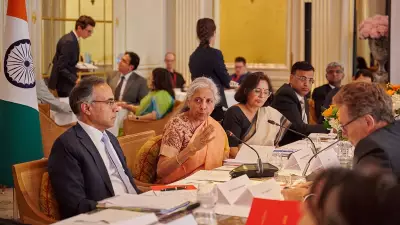
The Embassy of India in Tashkent has confirmed ongoing collaboration with the Government of Uzbekistan and local medical universities to support Indian students. This includes facilitating adherence to the Foreign Medical Graduate Licentiate (FMGL) Regulations, 2021, set by the National Medical Commission (NMC). The embassy clarified that the NMC Alert Note dated April 1, 2026, serves as an advisory urging students to verify FMGL compliance before admission and to rely on official information when choosing overseas medical programs.
Discussions with Uzbek authorities and universities are underway to strengthen English-medium instruction, enhance clinical exposure, improve internship standards, and align medical education more closely with NMC requirements. The embassy has also published detailed guidelines for prospective students, listing recognized universities, admission procedures, and regulatory prerequisites.

Major Institutions and Attractions
Key institutions hosting Indian students include Andijan State Medical Institute, Bukhara State Medical Institute, Samarkand State Medical University, Tashkent State Medical University (including its Termez branches), Tashkent Pharmaceutical Institute, Urgench State Medical Institute, Ferghana Medical Institute of Public Health, and Karakalpakstan Medical Institute. Factors such as government-operated universities, affordable tuition fees, English-medium programs, and expanding clinical training opportunities continue to attract Indian students.
FMGE December 2025 Results Highlight Progress
The FMGE December 2025 results revealed a pass percentage of approximately 42% for graduates from Uzbekistan, one of the highest among major overseas MBBS destinations. Education observers attribute this to ongoing improvements in academic delivery, clinical exposure, and institutional quality.
Separately, a group of Indian students has submitted a representation to the Haryana Medical Council seeking clarification on its recent advisory regarding foreign medical education. Students hope that continued dialogue between regulators and stakeholders will provide greater clarity for current and prospective applicants.
Outlook for 2026 Admissions
The embassy advises students and parents to verify the regulatory status and FMGL compliance of institutions before applying, relying solely on official sources. With sustained cooperation between Indian and Uzbek authorities, ongoing academic reforms, and increasing institutional engagement, Uzbekistan is expected to remain a key destination for Indian medical aspirants. These developments are likely to aid informed decision-making for the 2026 academic session.