

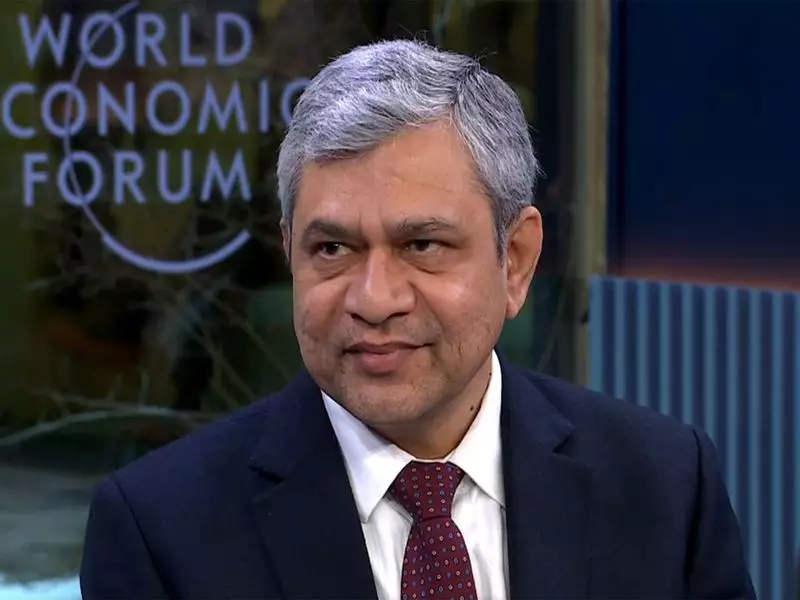
Vaishnaw at Davos: Government's Positive Reforms Transform India's Economic Growth
Union Minister Ashwini Vaishnaw, speaking at the World Economic Forum in Davos, Switzerland, emphasized how the Indian government's proactive and positive reforms have been instrumental in transforming the nation's economic growth. His address highlighted the significant strides India has made in recent years, attributing this progress to a series of strategic policy initiatives aimed at fostering a robust and resilient economy.
Key Reforms Driving Economic Transformation
Vaishnaw outlined several key reforms that have played a pivotal role in reshaping India's economic landscape. These include:
- Goods and Services Tax (GST): The implementation of GST has streamlined the tax structure, reducing complexities and boosting compliance, thereby enhancing revenue collection and economic integration across states.
- Digital India Initiative: This flagship program has accelerated digital adoption, improving governance, financial inclusion, and creating a conducive environment for innovation and entrepreneurship.
- Infrastructure Development: Massive investments in infrastructure projects, such as roads, railways, and ports, have improved connectivity and logistics, supporting industrial growth and trade.
- Ease of Doing Business: Reforms aimed at simplifying regulatory processes have made India more attractive for domestic and foreign investors, leading to increased capital inflows and job creation.
Global Recognition and Investment Inflows
At Davos, Vaishnaw pointed out that these reforms have not only spurred domestic growth but also garnered global recognition, positioning India as a preferred destination for investment. He noted that multinational corporations are increasingly looking to India for expansion, drawn by its stable policy environment, large consumer market, and skilled workforce. This has resulted in a surge in foreign direct investment (FDI), further fueling economic momentum and technological advancements.

Sustainable and Inclusive Growth
Beyond mere economic metrics, Vaishnaw stressed that the government's reforms are designed to ensure sustainable and inclusive growth. Initiatives like the Pradhan Mantri Jan Dhan Yojana for financial inclusion, Ayushman Bharat for healthcare, and various social welfare schemes aim to uplift marginalized sections, ensuring that the benefits of economic progress reach all strata of society. This holistic approach, he argued, is key to building a resilient economy that can withstand global uncertainties.
Future Outlook and Challenges
Looking ahead, Vaishnaw expressed optimism about India's economic trajectory, citing ongoing reforms in sectors such as manufacturing, renewable energy, and technology. However, he also acknowledged challenges, including the need to address skill gaps, enhance agricultural productivity, and manage inflationary pressures. He called for continued collaboration between the government, private sector, and international partners to overcome these hurdles and sustain the growth momentum.
In conclusion, Ashwini Vaishnaw's address at Davos underscored the transformative impact of the government's positive reforms on India's economic growth. By fostering a business-friendly environment, investing in infrastructure, and promoting inclusive policies, India is poised to emerge as a global economic powerhouse, attracting investment and driving prosperity for its citizens.






