Government Clarifies Pricing of E20 Petrol
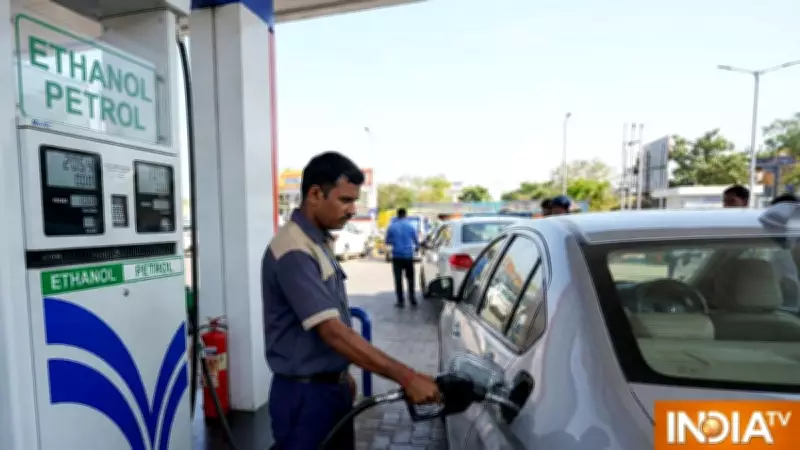
The Indian government has provided a detailed explanation as to why E20 petrol, which contains 20% ethanol blended with petrol, is not priced lower than regular fuel despite ethanol being significantly cheaper. According to a statement from the Ministry of Petroleum and Natural Gas, the production cost of E20 petrol is higher due to additional processing, logistics, and infrastructure requirements, which offset the cost advantage of ethanol.
Cost Breakdown and Taxation
The ministry highlighted that ethanol is procured at a price of around ₹65 per litre, while petrol costs approximately ₹80 per litre. However, the blending process involves additional expenses such as transportation, storage, and blending infrastructure. Moreover, the excise duty and state value-added tax (VAT) are applied on the final product, which is similar to regular petrol. The government also noted that the current blending mandates require oil marketing companies to blend ethanol, and the pricing is determined based on the overall cost of production, not just the raw material cost.
Impact on Consumers and Environment
The government emphasized that the primary objective of E20 petrol is to reduce import dependence and lower carbon emissions, rather than provide cheaper fuel. The Ethanol Blended Petrol (EBP) programme aims to achieve 20% ethanol blending by 2025, which is expected to save ₹30,000 crore in foreign exchange annually. While consumers may not see immediate price benefits, the long-term environmental and economic gains are significant. The ministry also clarified that the pricing of E20 is competitive with regular petrol, and any differential is minimal.

Quote from Official
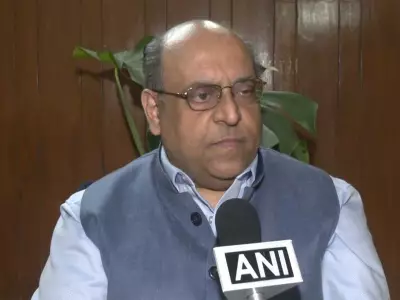
According to a senior official from the Ministry of Petroleum and Natural Gas, "The pricing of E20 petrol is based on the actual cost of production, which includes the cost of ethanol, blending, and distribution. While ethanol is cheaper, the overall cost structure does not allow for a lower retail price. The government is focused on ensuring that the transition to higher ethanol blends is smooth and does not burden consumers."
Future Outlook
The government is working on scaling up ethanol production and improving blending infrastructure to reduce costs over time. Currently, India's ethanol production capacity is around 1,000 crore litres per year, which is expected to increase to 1,500 crore litres by 2025. The Ministry also stated that as production scales up and logistics become more efficient, the cost of E20 may decrease, potentially making it cheaper than regular petrol in the future.