

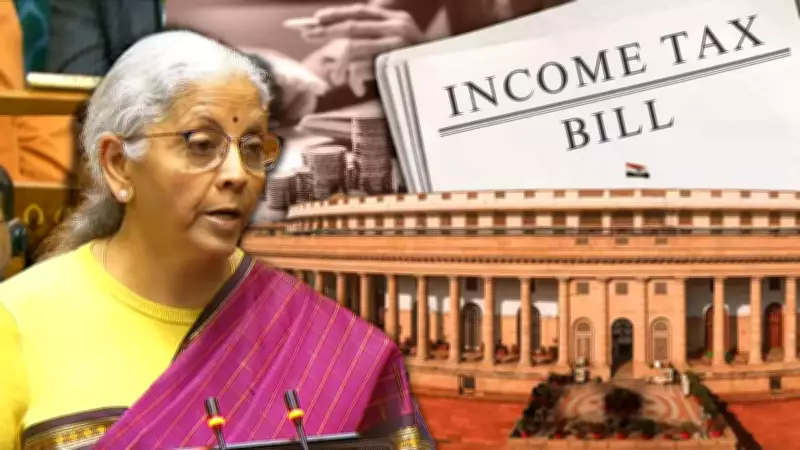
Finance Minister Nirmala Sitharaman has officially confirmed that India's new Income Tax Act, which was notified in July 2025, will take full effect starting April 1, 2026. This implementation marks a significant milestone in the country's ongoing tax reform journey, bringing substantial changes to the compliance landscape while maintaining stability for taxpayers.
No Changes to Income Tax Slabs: Relief for Middle Class
In a move that offers reassurance to the middle class and salaried individuals, Budget 2026 has kept the existing income tax slabs completely unchanged. This decision reflects the government's commitment to providing fiscal predictability and avoiding additional burden on taxpayers during this transitional period.
Major Compliance Reset and Structural Changes
The budget introduces targeted modifications to several key areas of tax administration. Tax Collected at Source (TCS) norms have been revised to streamline collection mechanisms and improve efficiency. Additionally, share buybacks will now be taxed as capital gains, bringing them in alignment with other forms of equity income and creating a more uniform taxation framework for investment returns.

Special One-Time Disclosure Scheme Announced
A significant highlight of Budget 2026 is the introduction of a special one-time disclosure scheme designed to benefit specific taxpayer categories. This initiative allows small taxpayers, students, young professionals, and Non-Resident Indians (NRIs) to file revised returns with immunity from penalties by paying a fixed fee. The scheme aims to encourage voluntary compliance and reduce pending litigation.
Long-Term Vision: Simpler, Fairer Tax Regime
From India's perspective, this budget successfully balances reform with stability, signaling a deliberate shift toward a simpler, fairer, and litigation-light tax regime. The approach emphasizes reducing administrative complexity while ensuring equitable treatment across different taxpayer segments.
The implementation of the new Income Tax Act represents more than just procedural updates—it embodies a strategic vision for modernizing India's tax infrastructure. By maintaining slab consistency while overhauling compliance mechanisms, the government aims to foster greater taxpayer trust and promote economic growth through a more transparent and efficient system.






