Beyond Poverty Stereotypes: Santosh Davakhar's Journey to Revive Gondhal Folk Art
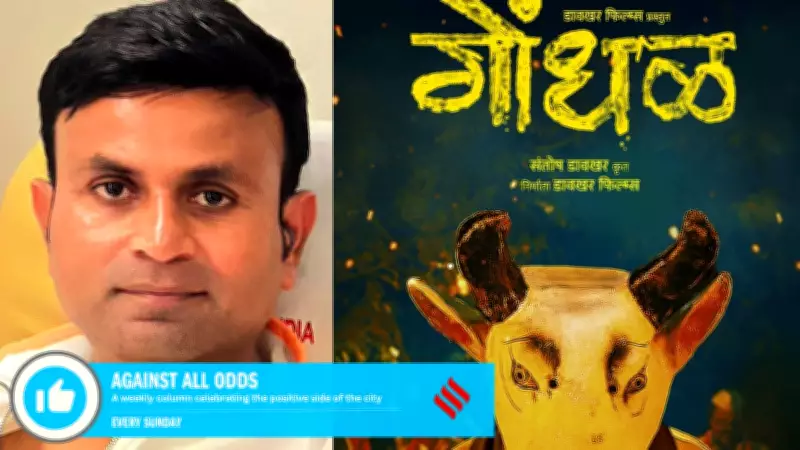
In a remarkable cinematic achievement, Santosh Davakhar has brought the centuries-old Maharashtrian folk tradition of Gondhal to the international stage, winning the Best Director award at the International Film Festival of India (IFFI). His film, aptly titled Gondhal, not only earned accolades at IFFI but also secured the Best Director honor at the Pune International Film Festival, marking a significant milestone for Marathi cinema.
From Child Labour to National Award-Winning Filmmaker
Santosh Davakhar's journey to filmmaking is a testament to resilience and determination. At the age of 14, he worked as a labourer in Kalyan, loading and unloading trucks at textile factories for a meager wage of Rs 45 per 12-hour shift. Despite financial hardships and living in a chawl, Davakhar prioritized education, coaching younger children to pay his school fees and eventually completing graduation and post-graduation in Economics.
His early exposure to cinema, through films like Lagaan and Border, ignited a passion for storytelling. However, recognizing filmmaking as an expensive pursuit, Davakhar first established financial stability through businesses in coaching and construction before picking up a camera. His self-taught approach, supplemented only by a 45-day screenplay writing course at FTII in 2019, has led to a string of acclaimed works, including the National Award-winning short film Adnyat.

Gondhal: A Cinematic Tribute to a Fading Tradition
The film Gondhal delves into the rich cultural heritage of Maharashtra, focusing on the folk performance that traditionally involves all-night rituals to invoke blessings and remove obstacles for newlyweds. Davakhar's narrative weaves a complex plot around a young wife, a murder plan, and fatal events, all underscored by the rhythmic drums and omens of the Gondhal ceremony.
Technically, the film showcases Davakhar's directorial prowess with one-take shots, including a breathtaking 25-minute sequence at the beginning, inspired by Oscar-winning films like Roma and Birdman. The PIFF jury praised his exceptional direction and distinct cinematic vision, highlighting how he brings a fading art form to life on screen.
Challenging International Perceptions of Indian Cinema
Davakhar's motivation stems from a desire to move beyond the stereotypical portrayal of Indian films through the lens of poverty. During a visit to Cannes, he was asked if his film Adnyat was about poverty, reinforcing his resolve to showcase India's rich cultural diversity. Gondhal serves as a proud presentation of Maharashtrian traditions, aiming to educate both national and international audiences about the depth of Indian heritage.
He notes that the Gondhal performance, which once lasted until sunrise, is now often curtailed by 3 am, reflecting its gradual decline over the past few decades. Through his film, Davakhar hopes to draw attention to this art form and inspire its preservation.
A Legacy of Diverse Storytelling
Davakhar's filmography is characterized by its diversity and social relevance:
- Party (2013-14): A short film addressing malnutrition.
- Adnyat (2017): A dialogue-free exploration of caste issues, winner of the Silver Lotus Award for Best Cinematography at the National Film Awards.
- Antar-19: A COVID-19 themed film focusing on a nurse's struggles during the pandemic.
His unique perspective, shaped by encounters with people from all walks of life since childhood, ensures that no two characters in his films are alike. This authenticity resonates with audiences and critics alike, cementing his status as a filmmaker with a compelling narrative command.
Santosh Davakhar's success with Gondhal not only highlights his personal triumph over adversity but also underscores the importance of cultural preservation in cinema. By bringing a fading folk tradition to the global stage, he challenges stereotypes and enriches the tapestry of Indian storytelling.