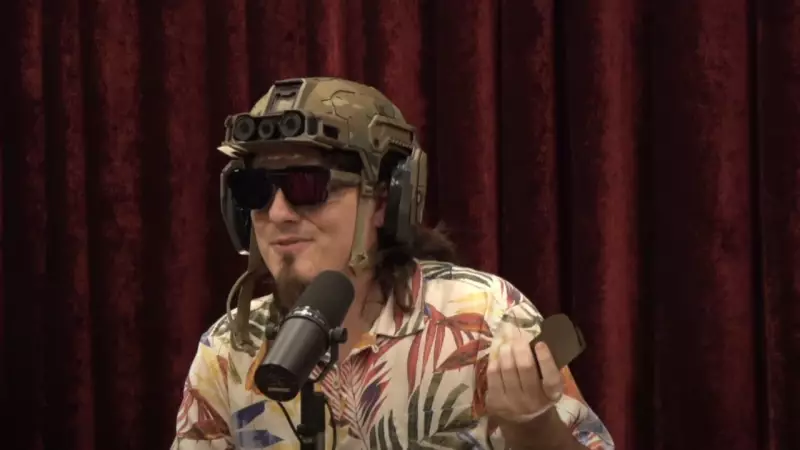
Palmer Luckey, the co-founder of the defence technology startup Anduril, has raised a serious alarm regarding a proposed wealth tax in California, suggesting it could have devastating consequences for the state's entrepreneurial community. Luckey cautioned that the measure might compel founders to offload major portions of their companies and could even lead to seizures of personal property if the massive tax bill cannot be paid.
Forced Sales and "Screwed for Life" Scenarios
The core of Luckey's warning revolves around the liquidity problem faced by founders whose wealth is locked in company shares. The proposed tax would impose a one-time 5% levy on residents with a net worth exceeding $1 billion. Luckey argued that paying such a sum in cash would often require selling significant stakes, labelling the proceeds as funding for "fraud, waste, and political favours" for the initiative's backers.
He outlined a dire situation on social media platform X, stating that a market downturn or wartime restrictions on selling assets could leave entrepreneurs permanently financially crippled. "One market correction, nationalization event, or prohibition of divestiture... and I am screwed for life," Luckey posted.

Figma CEO Dylan Field supported these concerns, pointing out that founders cannot use their illiquid company stock to pay the tax. When combined with existing capital gains taxes, this could create a punishing "double tax event" that severely damages their financial health.
Silicon Valley Exodus and Political Divide
The proposal has ignited a fierce debate and fears of a talent and capital flight from California. Recent reports indicate that prominent billionaires like Peter Thiel and Larry Page are already exploring options to leave the state in response. The measure needs signatures to qualify for the November 2026 ballot.
Field also warned of cascading effects on the broader startup ecosystem. Founders facing wealth tax bills after poor performance might be forced into "down rounds" that slash company valuations, harming their ability to raise funds and hire talent, or push them into unsustainable debt.
The political reaction is split. While Democratic Representative Ro Khanna, who represents Silicon Valley, downplayed the impact of what he called a "1% per-year tax," critics have been vocal. Dave Friedberg, CEO of Ohalo Genetics, condemned it as "organized government seizure of private property." Garry Tan of Y Combinator predicted a "stampede of unicorns" fleeing California for other states.
The Stakes and Opposition
The healthcare union supporting the tax estimates it could generate $100 billion from roughly 200 billionaires, aiming to counter federal cuts to Medicaid. However, the proposal faces significant opposition, including from California Governor Gavin Newsom, who has publicly stated his disapproval of the wealth tax plan.
The controversy highlights a fundamental clash between policies aimed at addressing wealth concentration and the practical realities of how startup wealth is created and held, setting the stage for a major political and economic battle in the heart of America's technology industry.