

The Central government has firmly opposed a petition seeking a reduction in the Goods and Services Tax (GST) levied on air purifiers, labeling the legal move as a 'calculated' one. The stance was presented before the Delhi High Court, which is hearing a public interest litigation (PIL) on the matter.
Government's Stance in Court
In its affidavit submitted to the court, the Centre, represented by the Ministry of Finance, argued that the petitioner's approach was strategically timed and filed. The government's counsel emphasized that matters of tax rate revision fall squarely within the policy domain of the GST Council, not the judiciary. The Council is a constitutional body comprising representatives from both the Centre and all states and union territories.
The affidavit stated that the petitioner could have directly approached the GST Council with a representation instead of filing a PIL. By taking the judicial route, the plea was seen as an attempt to bypass the established legislative and policy-making process. The court was informed that any change in tax rates requires extensive deliberation by the Council, considering the revenue implications for both central and state governments.

Details of the Petition and Hearing
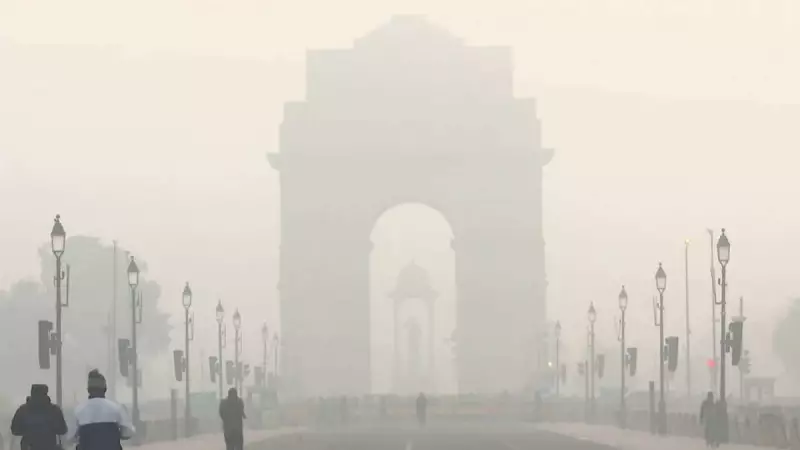
The PIL, which sparked this legal debate, was filed by a concerned individual. It argues that air purifiers are essential devices for public health, especially in a city like Delhi which faces severe air quality issues for a significant part of the year. The petition highlights the high cost of these devices, which includes an 18% GST rate, making them less accessible to a large section of the population.
The plea contends that reducing the GST slab on air purifiers would make them more affordable, thereby encouraging wider adoption and helping citizens combat the adverse effects of air pollution. The petitioner's counsel likely presented data on the health hazards of polluted air and the protective role of air purifiers indoors.
The bench of the Delhi High Court, after hearing the initial arguments from both sides, has scheduled the next hearing for February 4, 2026. This date indicates the court is treating the matter with due process, allowing time for detailed counter-responses and deliberations.
Broader Implications and Policy Context
This case touches upon a critical intersection of public health, consumer affordability, and fiscal policy. On one hand, there is a compelling argument about the necessity of air purifiers as a mitigation tool against a severe environmental health crisis. On the other, the government maintains the principle of fiscal federalism and the sanctity of the GST Council's decision-making process.
The government's opposition underscores a consistent legal position: courts should not ordinarily intervene in policy matters best left to elected representatives and specialized bodies. Tax rates are often determined by balancing multiple factors, including revenue needs, economic stimuli, and social objectives. A reduction for one product category can have cascading effects on related sectors and state revenues.
Furthermore, the case raises a question about product categorization under the GST regime. The current 18% rate places air purifiers in a standard category. Any reclassification to a lower slab, such as 12% or 5%, would require a consensus within the GST Council, where states might have differing views based on their own revenue considerations.
The outcome of this petition is being watched closely by manufacturers, consumers, and public health advocates. A court directive, even if not mandating a rate cut, could potentially influence the Council to take up the issue for discussion. Conversely, a dismissal would reinforce the Council's exclusive domain over tax rate decisions.
As Delhi and many other Indian cities brace for another season of poor air quality, the debate over making protective devices more affordable is likely to remain in public discourse. The Delhi High Court's final decision in 2026 will provide important clarity on the judicial boundaries of such fiscal and public health appeals.






