

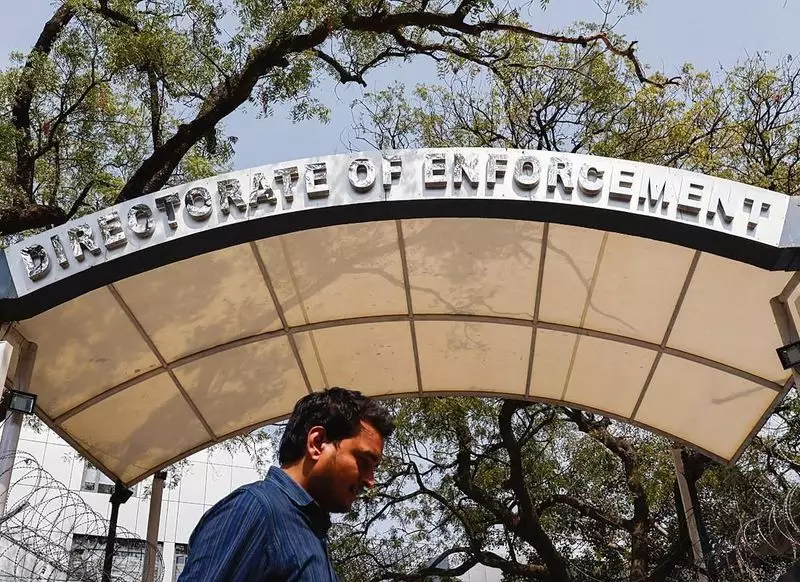
The Enforcement Directorate (ED) has taken decisive action in a major tax evasion case, attaching immovable properties valued at a staggering Rs 17 crore. This move is part of the ongoing investigation into the multi-crore Sirsa Value Added Tax (VAT) scam that has rocked Haryana.
The Core of the Sirsa VAT Scam
According to the federal probe agency, the scam revolved around a sophisticated network of entities that fraudulently claimed Input Tax Credit (ITC). The modus operandi involved creating a chain of fake or shell firms. These firms generated bogus bills and invoices without any actual movement of goods or services.
By using these fabricated documents, the accused allegedly availed and passed on illegal ITC, causing a massive loss to the state exchequer. The ED's case is based on a First Information Report (FIR) originally filed by the Haryana State Police. The police FIR implicated several individuals and private companies for cheating, forgery, and criminal conspiracy under the Indian Penal Code, alongside violations of the Haryana VAT Act.

Details of the Attached Properties
The attached assets, classified as "proceeds of crime" under the Prevention of Money Laundering Act (PMLA), 2002, are significant. They include:
- Agricultural land measuring 54 acres, 2 kanals, and 16 marlas located in Sirsa district, Haryana.
- This land is registered in the name of Shubh Karan Rice Mills.
The ED's provisional attachment order, issued under the PMLA, aims to prevent the accused from selling or transferring these properties, thereby securing the alleged ill-gotten gains for potential confiscation by the government.
The Path Forward and Legal Implications
The attachment of properties is a critical step in the money laundering investigation, but it is not the final one. The ED will now proceed to file a prosecution complaint (equivalent to a chargesheet) before the relevant PMLA court. This legal document will detail the evidence gathered and seek to establish the money laundering charges against the accused.
This case highlights the continued crackdown by central agencies on financial frauds that drain public resources. The Sirsa VAT scam investigation underscores how fake invoicing and tax credit frauds are pursued not just as fiscal crimes but also as serious offences under the anti-money laundering law. The outcome of this case will be closely watched, as it could set a precedent for similar investigations across the country.






