

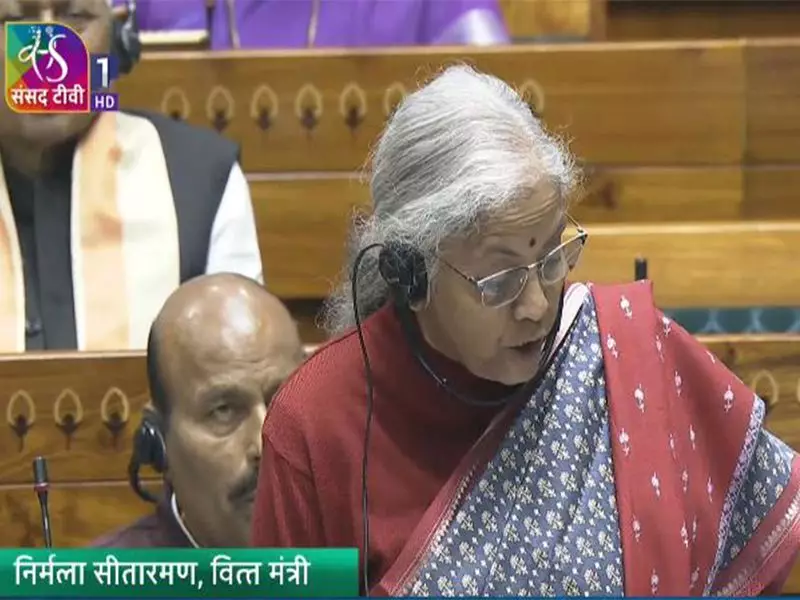
In a significant move aimed at bolstering public health funding, Union Finance Minister Nirmala Sitharaman introduced two crucial bills in the Lok Sabha on Wednesday. The proposed legislation seeks to impose a health cess on all tobacco products manufactured within the country.
The Legislative Proposals: A Closer Look
The two bills presented by the Finance Minister are the Central Goods and Services Tax (Amendment) Bill, 2024 and the Integrated Goods and Services Tax (Amendment) Bill, 2024. These amendments are designed to create a legal framework for levying a cess—an additional tax—specifically on tobacco and related items. The revenue generated from this cess is earmarked for the development and strengthening of healthcare infrastructure across India.
This initiative aligns with the government's broader strategy to discourage the consumption of harmful products while simultaneously creating a dedicated revenue stream for the health sector. The move comes at a time when public health systems are under constant pressure, and additional funding is critical for capacity building.

Objective and Potential Impact
The primary objective behind the introduction of these bills is twofold. First, it aims to generate substantial funds specifically for healthcare. Second, by increasing the cost of tobacco products through the cess, it seeks to act as a deterrent, potentially reducing consumption rates over time. This follows the established global practice of using sin taxes to influence consumer behavior and address public health externalities.
The bills were introduced on July 24, 2024, and will now undergo the standard parliamentary process. This includes scrutiny by relevant committees, debates, and eventual voting in both houses of Parliament—the Lok Sabha and the Rajya Sabha—before they can become law. The exact percentage or rate of the proposed health cess has not been specified in the initial introduction and is likely to be detailed during subsequent discussions.
Next Steps and Industry Implications
For the bills to be enacted, they must pass through several legislative stages. The government will need to build consensus and navigate the parliamentary procedure. If passed, the amendments will empower the government to notify the applicable cess rate on tobacco products under the GST regime.
The proposed cess is expected to have direct implications for the tobacco industry, potentially increasing the final price of cigarettes, bidis, and other tobacco goods. Public health advocates have long argued for such fiscal measures, citing the enormous economic and health burden of tobacco-related diseases on the nation. The dedicated funding could support everything from building new hospitals and clinics to funding cancer research and treatment facilities.
This legislative step underscores the government's commitment to using fiscal policy as a tool for social good. By linking the consumption of a demerit good directly to investments in healthcare, the policy aims to create a sustainable model for improving public health outcomes while addressing a major source of non-communicable diseases in India.






