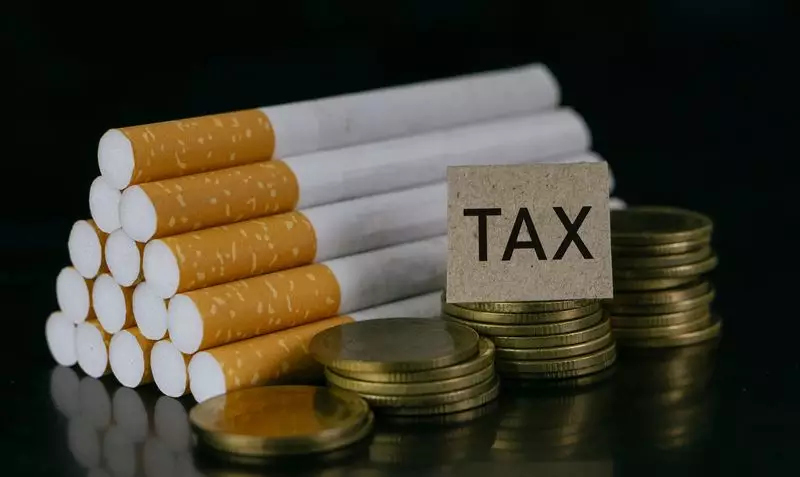
Finance Minister Nirmala Sitharaman on Tuesday introduced two significant legislative proposals in the Lok Sabha, aiming to modify the taxation framework for tobacco products and pan masala. The bills seek to empower the central government to levy and collect higher excise duties and cess on these items, marking a fresh step in fiscal regulation and public health policy.
Key Legislative Proposals Presented
The first proposal, titled The Central Goods and Services Tax (Amendment) Bill, 2024, was presented by the Finance Minister. This bill contains specific provisions designed to alter the existing tax structure on tobacco and related goods. While the full details of the amendments are part of the bill's text, its primary objective is to create a legal pathway for the imposition of an increased excise duty on various tobacco products.
Simultaneously, Sitharaman introduced a second piece of legislation: The Provisional Collection of Taxes Bill, 2024. This bill is crucial for implementing immediate tax changes. It grants the government the authority to provisionally collect the newly proposed taxes and cesses from the date the relevant Finance Bill is tabled, even before it is formally passed into law and enacted. This mechanism ensures there is no gap in tax collection and prevents potential revenue loss.

Targeting Tobacco and Pan Masala
The legislative move specifically targets two major product categories. The first is tobacco and its manufactured substitutes. The government is seeking to impose a higher excise duty on these items. The second category is pan masala, for which the proposal involves raising the existing national calamity contingent duty (NCCD), often referred to as a cess.
This is not the first time such measures have been attempted. The introduction of these bills follows a similar effort during the previous Budget session. At that time, analogous amendments were proposed as part of the Finance Bill, 2023. However, those specific clauses were later withdrawn by the government before the bill was passed. The reintroduction of these proposals in the form of separate, dedicated bills underscores the government's continued focus on this area of fiscal policy.
Implications and Rationale
The proposed increase in excise duty on tobacco and the cess on pan masala serves a dual purpose. Primarily, it is a revenue-raising measure for the central exchequer. Taxes on sin goods like tobacco and pan masala have traditionally been a significant source of income for the government.
Secondly, and equally importantly, the move aligns with broader public health objectives. By making these products more expensive through taxation, the government aims to discourage consumption, particularly among younger demographics and price-sensitive consumers. Higher prices are a well-established tool in tobacco control strategies worldwide, intended to reduce the prevalence of smoking and chewing habits linked to severe health issues like cancer and heart disease.
The use of the Provisional Collection of Taxes Bill ensures that the intended fiscal and regulatory impact begins immediately upon announcement, preventing any market speculation or stockpiling that could undermine the policy's effectiveness. The bills will now undergo parliamentary scrutiny, including discussion and potential amendments, before being put to a vote for passage.