

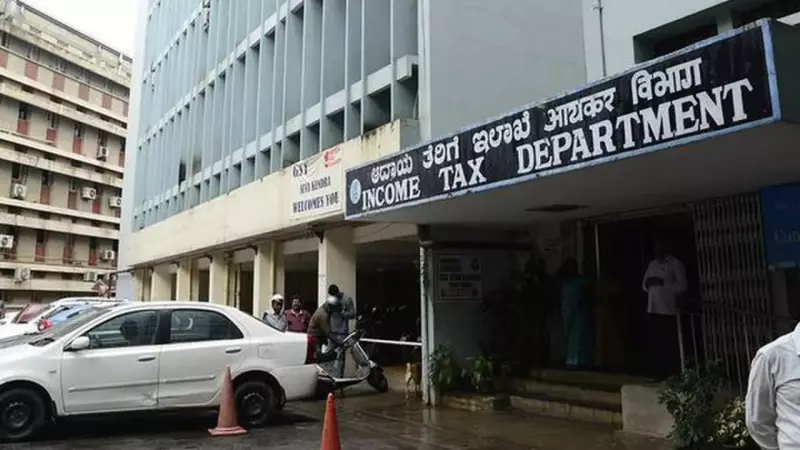
India's income tax department has raised serious alarms about the dangers linked to virtual digital assets like cryptocurrencies. The department has now aligned itself with the Reserve Bank of India (RBI) in opposing the formal entry of these instruments into the country's financial system.
Key Concerns Presented to Parliament
On Wednesday, tax authorities made a detailed presentation to the parliamentary standing committee on finance. They highlighted how the very nature of these assets creates significant challenges for regulators and law enforcement. A major point of concern is the anonymous, borderless, and near-instant transfer of value. This system allows funds to move without the oversight of regulated financial intermediaries, making tracking extremely difficult.
Officials pointed out that the use of offshore exchanges, private wallets, and decentralised platforms complicates the detection of taxable income. The holdings remain opaque because the real beneficial owners are not easily identifiable. This lack of transparency is a core issue for tax assessment and collection.

Jurisdictional Hurdles and Enforcement Nightmares
The tax department flagged severe jurisdictional limitations when dealing with offshore VDA activity. Since multiple international jurisdictions can be involved, authorities have little power to monitor fund flows. This makes the verification of transactions and the recovery of outstanding tax dues virtually impossible.
Despite recent international efforts to improve information sharing, the process remains cumbersome and ineffective. This severely inhibits the ability of Indian tax officials to conduct proper assessments and reconstruct the complex chains of cryptocurrency transactions.
History of Reluctance and Broader Fears
India continues to be part of a group of nations reluctant to permit cryptocurrencies and stablecoins. This stance persists despite intense lobbying and pressure from some foreign governments and industry players. The RBI has, on multiple earlier occasions, expressed its deep concerns. The central bank has warned about the lack of any underlying asset, which makes cryptocurrencies a highly speculative and risky bet for common investors.
Enforcement agencies remain wary, primarily because virtual digital assets are seen as potential instruments for money laundering and terror financing. The tax department added that since most cryptocurrency platforms operate overseas, taking enforcement action—such as issuing summons or collecting Tax Deducted at Source (TDS)—becomes exceptionally tough. Compounding the problem is the fact that many of these exchanges are not registered with India's Financial Intelligence Unit (FIU) and operate entirely outside the tax department's direct reach.
In response to these challenges, Indian tax authorities have attempted to build some safeguards. These include mandating a 1% TDS on crypto transactions to help track beneficiaries. They have also made it compulsory for entities dealing in cryptocurrencies and other VDAs to register with the relevant authorities. However, the presentation to Parliament underscores that these measures may be insufficient against the fundamental, structural risks posed by the asset class.






