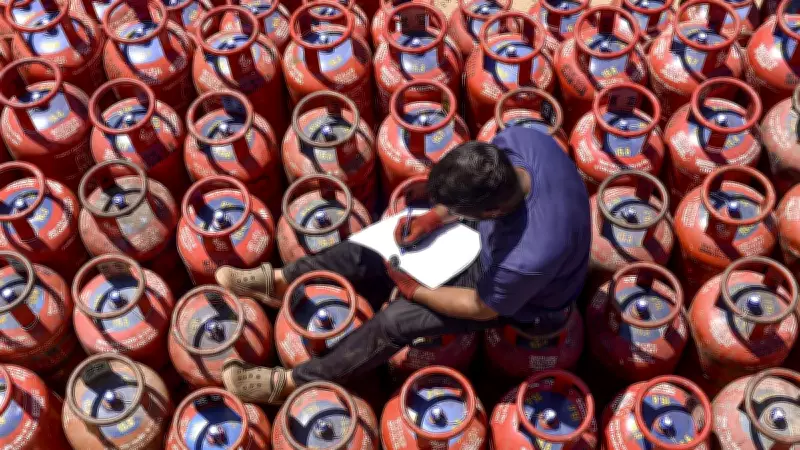
The Karnataka Hotels Association has formally demanded a reduction in the Goods and Services Tax (GST) on commercial LPG cylinders from the current 18% to 5%. The association highlighted that the price of commercial LPG has skyrocketed over the past two months, causing severe financial strain on the hospitality sector.
Sharp Price Increase in 60 Days
According to a representative of the association, the price of a commercial LPG cylinder has risen from approximately Rs 1,800 to Rs 2,000 in March 2026 to over Rs 3,100 as of early May 2026. This represents a total increase ranging from 50% to 70% within just 60 days, depending on the base city and the exact timing of the price revisions.
Impact on Hotels and Restaurants
The steep rise in LPG costs has directly impacted the operational expenses of hotels, restaurants, and other food establishments. Many small and medium-sized businesses are struggling to absorb the additional costs, forcing some to consider menu price hikes or reduced profit margins. The association argues that a GST cut would provide much-needed relief and help stabilize the sector.

“The price surge is unprecedented and unsustainable for the industry. We request the government to immediately reduce GST on commercial LPG from 18% to 5% to ease the burden,” said a spokesperson for the association.
Background of GST on LPG
Commercial LPG cylinders are currently taxed at 18% GST, while domestic LPG cylinders attract a lower rate of 5%. The association has pointed out that the high tax on commercial LPG is discriminatory and places an unfair load on businesses that rely heavily on LPG for cooking and heating purposes.
The demand comes amidst broader concerns over rising input costs in the hospitality industry, which has been recovering from the impacts of the pandemic. The association has submitted a formal representation to the GST Council and the state government, urging swift action.
Industry experts note that a reduction in GST could not only lower operational costs but also help contain inflationary pressures on food prices, benefiting both businesses and consumers.