From Carved Doors to Stone Floors: 7 Timeless Indian Design Elements Returning to Modern Homes and Buildings
Architectural design in India has always reflected a harmonious blend of aesthetics and functionality. Historically, homes and structures were built not only to be visually pleasing but also to account for climate and lifestyle. In the present era, where modern designs often emphasize minimalism, people are revisiting traditional Indian architectural features, which are making a strong comeback for numerous reasons. Below are seven timeless Indian design elements reappearing in contemporary homes and buildings.
Carved Wooden Doors
Carved wooden doors were a hallmark of traditional Indian homes, temples, and havelis. Crafted from durable woods like teak, they featured intricate designs such as floral motifs, depictions of deities, and geometric patterns. Today, these doors have returned, adding elegance and a sense of heritage to modern interiors that often lack such character.
Jali (Lattice Screens)
A jali is a lattice screen made of stone or wood, renowned for its beautiful patterns. Historically popular in Mughal and regional architecture, jalis provided natural lighting and ventilation. In contemporary design, jalis are being reinterpreted using materials like metal and cement, offering both aesthetic appeal and functional benefits.

Decorative Columns and Pillars
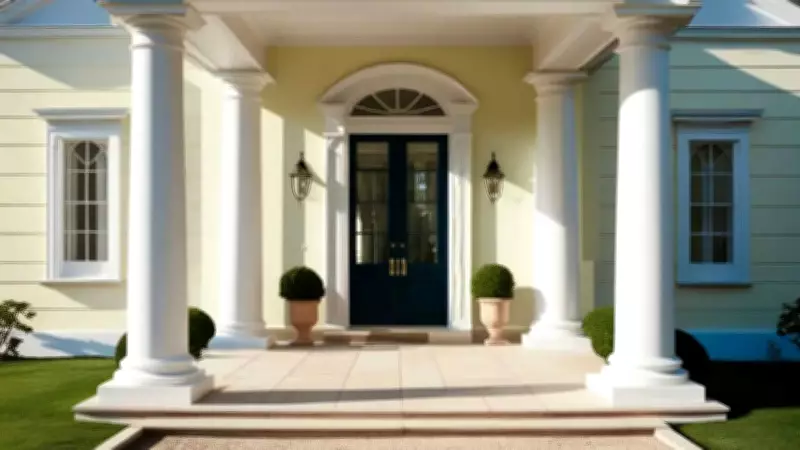
Pillars and columns have long been integral to Indian architecture, often adorned with carved mythological and natural motifs. In modern homes, simplified versions of these pillars are used to create an ornate yet understated effect, adding structural elegance.
Stone Flooring
Natural stone floors, such as Kota stone and marble, along with handcrafted Athangudi tiles, have regained popularity due to their durability and ability to maintain cool temperatures. These flooring options offer both longevity and thermal comfort, making them ideal for contemporary living spaces.
Ornamental Motifs and Wall Carvings
Indian architecture is characterized by an abundance of patterns on walls, including floral, geometric, and mythological designs. These wall carvings are making a comeback through modern wall panels and ceiling carvings, adding texture and cultural depth to interiors.
Courtyards (Aangan)
Traditionally, the aangan was a defining feature of Indian homes, serving as a source of light, cooling, and entertainment. The modern equivalent is an atrium or a skylit area that promotes air circulation and brings the outdoors inside.
Verandahs and Transitional Spaces
Verandahs acted as buffers between indoor and outdoor spaces, providing shade and social gathering areas. These semi-open zones helped regulate temperature and fostered community living. Today, balconies, sit-outs, and shaded decks draw inspiration from traditional verandahs, blending comfort with climate-responsive design.
The resurgence of traditional Indian design elements underscores a growing emphasis on sustainability, craftsmanship, and cultural relevance. Features like carved doors, jalis, and stone flooring are not merely aesthetic choices; they stem from centuries of wisdom passed down through generations, offering timeless solutions for modern living.