7 Essential Tips to Extend Your Car Engine's Lifespan and Performance
The engine serves as the very heart of your vehicle, and its proper care is paramount for optimal functionality and the prevention of expensive repairs. By adhering to a regimen of regular servicing and cultivating conscientious driving practices, you can significantly enhance the durability and efficiency of your engine. Here are seven indispensable strategies to ensure your car's engine continues to perform reliably for years to come.
1. Adhere to Regular Oil Change Schedules
Engine oil is the lifeblood of your vehicle, providing essential lubrication to moving parts, minimizing friction, and aiding in temperature regulation. Over time, this oil degrades, losing its protective properties and becoming contaminated with particles and sludge. It is crucial to replace the engine oil strictly according to the manufacturer's specified intervals, whether based on time or mileage, to maintain effective lubrication and shield internal components from premature wear and potential damage.
2. Monitor and Maintain Proper Coolant Levels
The cooling system is a critical defense against engine overheating, which can lead to severe issues like warping or cracking. Ensuring that coolant levels are consistently adequate is vital for the system to function correctly, thereby protecting the engine from thermal stress and extending its operational life.

3. Timely Replacement of Air Filters
A clean air filter is fundamental for optimal engine performance, as it guarantees sufficient airflow for efficient fuel combustion. A clogged filter restricts this airflow, compromising engine efficiency and potentially increasing fuel consumption. Regularly replacing the air filter as recommended helps maintain engine health and performance.
4. Practice Gentle Driving and Avoid Aggressive Acceleration
Aggressive behaviors such as rapid acceleration, harsh braking, and sustained high-speed driving place undue stress on engine components, accelerating wear and tear. It is particularly important to avoid revving the engine when it is cold, as lubrication may not have fully circulated. Adopting a smooth driving style and allowing the engine to warm up properly reduces long-term strain and promotes longevity.
5. Utilize High-Quality Fuel from Reputable Sources
Inferior fuel quality can lead to the accumulation of deposits within the engine, gradually impairing its performance and efficiency. To mitigate this, always purchase fuel from trusted stations and adhere to the octane rating specified for your vehicle's engine, ensuring cleaner combustion and better overall health.
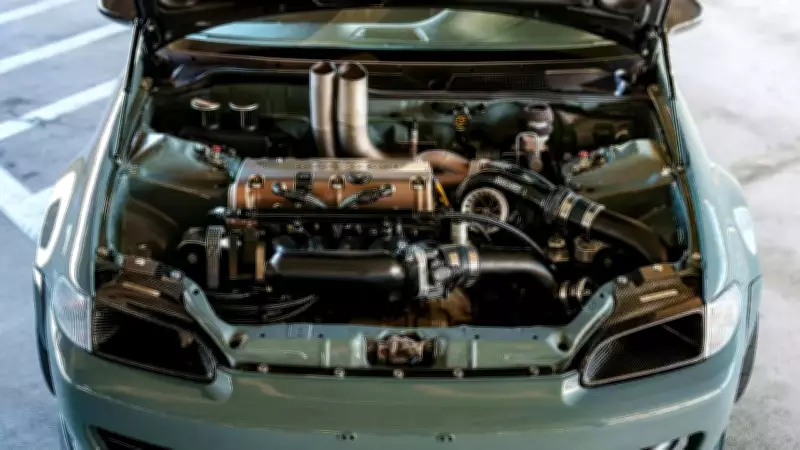
6. Keep the Engine Compartment Clean and Well-Maintained
Dirt and debris can accumulate in the engine bay, potentially leading to corrosion or masking leaks. Periodic cleaning of the compartment allows for easier inspection and early detection of issues. Additionally, maintaining belts and hoses in good condition contributes to a healthier engine environment.
7. Promptly Address Any Warning Signs or Unusual Noises
Ignoring early indicators of engine trouble, such as unusual sounds or dashboard warnings, can result in more severe and costly damage. Regular engine servicing facilitates the early identification of potential problems, enabling timely interventions that prevent minor issues from escalating into major failures.
Conclusion: Consistency is Key to Engine Longevity
The cornerstone of extending your car's engine life lies in unwavering consistency. This encompasses diligent adherence to maintenance schedules, vigilant monitoring of the cooling system, and the cultivation of prudent driving habits. By integrating these practices into your routine, you can effectively prolong the lifespan of your engine, ensuring reliable performance and minimizing the risk of unexpected breakdowns.