Costly GE Engines Threaten India's Advanced Combat Aircraft Project
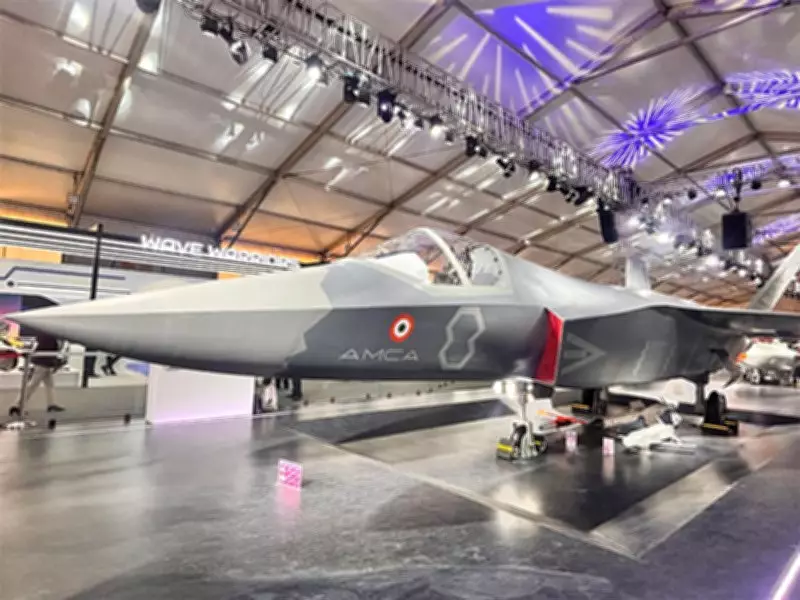
India's ambitious Advanced Combat Aircraft (ACA) project, aimed at developing a fifth-generation fighter, has hit a significant obstacle due to the high cost of General Electric (GE) engines. According to a report by Ajay Banerjee in The Tribune News Service, the price of the GE F414 engines alone could reach Rs 3,800 crore per fighter, raising concerns about the project's viability.
DRDO Explores Alternative Engine Options
The Defence Research and Development Organisation (DRDO) is now exploring alternative engine options to keep the project on track. The ACA, also known as the Advanced Medium Combat Aircraft (AMCA), is a key part of India's efforts to boost indigenous defense capabilities. However, the exorbitant cost of the GE engines has prompted a search for more affordable alternatives, potentially from other international suppliers or through domestic development.
Impact on India's Fighter Fleet Modernization
The ACA project is crucial for modernizing India's aging fighter fleet. Delays or cost overruns could affect the Indian Air Force's (IAF) combat readiness. The IAF currently operates a mix of Russian, French, and indigenous aircraft, but many are due for replacement. The ACA is intended to replace the aging MiG-21s and Jaguars, and its success is vital for maintaining air superiority.

GE Engines: A Double-Edged Sword
While GE engines are known for their reliability and performance, their high cost poses a challenge. The Rs 3,800 crore per fighter price tag includes not just the engine but also associated support and maintenance. This could significantly inflate the overall project cost, which is already estimated at over Rs 15,000 crore. The DRDO is reportedly in talks with other engine manufacturers, including Safran of France and Rolls-Royce of the UK, to explore cost-effective options.
Domestic Engine Development as a Long-Term Solution
In the long term, India is also considering developing its own engine for the ACA. The DRDO's Gas Turbine Research Establishment (GTRE) has been working on the Kaveri engine, but it has faced technical challenges and delays. A domestic engine could reduce dependence on foreign suppliers and lower costs, but it may take another decade to develop and certify.
Government's Stance and Way Forward
The Indian government has expressed commitment to the ACA project, but the cost issue needs to be resolved. Defense Minister Rajnath Singh has emphasized the need for indigenous development, but also acknowledged the importance of cost control. The DRDO is expected to present a revised cost estimate and engine strategy to the government soon.
According to sources, the DRDO is evaluating a twin-engine configuration for the ACA, which could use two smaller engines instead of one large one. This might offer cost savings and redundancy. However, it would also require redesigning the aircraft's airframe and systems.
Conclusion
The ACA project is at a critical juncture. The high cost of GE engines is a major hurdle, but the DRDO is actively exploring alternatives. The outcome will have significant implications for India's defense capabilities and its goal of self-reliance in military aviation.