

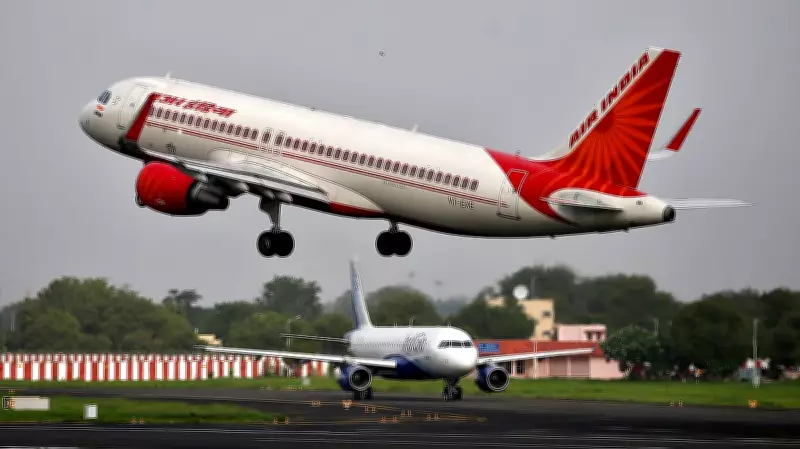
Air India Announces Major Fleet Upgrade with Retrofit of 25 B787 Aircraft
In a significant move to bolster its operational capabilities and passenger services, Air India has unveiled plans to retrofit an additional 25 B787 Dreamliner aircraft. This initiative marks a continuation of the airline's ambitious fleet modernization strategy, aimed at enhancing both comfort and efficiency across its international and domestic routes.
Expanding the Retrofit Program
The decision to retrofit these 25 B787 aircraft follows earlier successful upgrades, demonstrating Air India's commitment to maintaining a state-of-the-art fleet. The retrofit process will involve comprehensive updates to the aircraft's interiors, including:
- New seating arrangements with improved ergonomics and premium materials for enhanced passenger comfort.
- Advanced in-flight entertainment systems offering a wider selection of content and faster connectivity options.
- Upgraded cabin lighting and amenities to create a more relaxing and modern travel environment.
These enhancements are expected to significantly elevate the overall travel experience, aligning with global aviation standards and customer expectations.

Strategic Implications for Air India
This retrofit program is a key component of Air India's broader transformation plan under its new management. By modernizing its B787 fleet, the airline aims to:
- Boost operational efficiency through reduced maintenance costs and improved fuel economy, leveraging the Dreamliner's advanced aerodynamics.
- Strengthen competitive positioning in both domestic and international markets by offering superior in-flight services.
- Support sustainability goals by utilizing the B787's eco-friendly design, which contributes to lower carbon emissions.
The move is also seen as a strategic response to increasing competition in the aviation sector, where fleet quality plays a crucial role in attracting and retaining passengers.
Industry and Economic Impact
The retrofit of 25 B787 aircraft is anticipated to have positive ripple effects across the aviation industry and related sectors. It underscores Air India's role as a major player in India's economic landscape, potentially driving:
- Job creation in maintenance, engineering, and supply chain roles associated with the retrofit process.
- Increased demand for local and international aviation services and components, boosting trade and export activities.
- Enhanced tourism and business travel by providing a more appealing travel option, which could benefit the broader economy.
Industry analysts view this as a proactive step that could set a benchmark for other airlines in the region, encouraging further investments in fleet upgrades.
Future Outlook and Challenges
While the retrofit program is a forward-looking initiative, Air India may face challenges such as logistical coordination and potential disruptions to flight schedules during the upgrade phase. However, the airline has emphasized its commitment to minimizing any impact on passengers through careful planning and phased implementation.
Looking ahead, this move is likely to pave the way for additional modernization efforts, including potential expansions to other aircraft types in Air India's fleet. It reflects a broader trend in the aviation industry towards prioritizing customer-centric innovations and sustainable operations.






