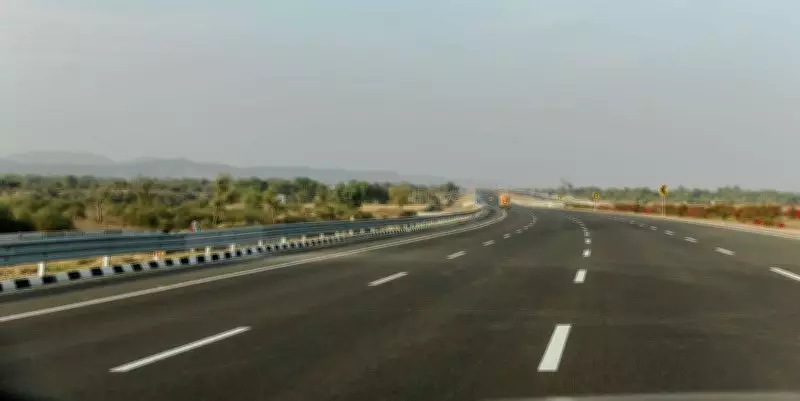
The National Capital Region's economic footprint is expanding northward with the upcoming 34-km Ambala-Kala Amb greenfield four-lane corridor, set for inauguration on July 17, 2026. The access-controlled highway, designated NH-7/NH-344, is expected to reduce transit time between Ambala and Kala Amb by 30 to 45 minutes, transforming a historically volatile border choke point into a predictable feeder route for the broader NCR industrial network.
Boost for Border Manufacturing
Logistics managers handling freight between the Haryana-Himachal border and NCR have long faced severe delivery variances. The Kala Amb industrial area is a dense, high-value manufacturing hub anchored by a pharmaceutical ecosystem of over 50 major formulations, injection, and third-party contract manufacturing plants. The cluster also includes heavy ancillary units such as induction furnaces, steel fabrication mills, industrial chemical blending operations, and large-scale paper packaging units serving the consumer goods market.
Previously, finished inventory—including temperature-sensitive pharmaceutical consignments—had to navigate bottlenecked, single-lane local roads. By feeding directly into the Ambala Ring Road, the expressway provides heavy commercial vehicles a direct route toward national highways linking major markets in Gurugram and Faridabad.

Expanding the WDFC Ambit
The prospect of bringing this border manufacturing cluster into a reliable day-dispatch window has drawn substantial interest from logistics networks in southwest Gurugram. According to the Farukhnagar Industrial Association, the highway's impact extends far beyond the immediate border districts.
"The Ambala-Kala Amb project alters the logistics math for industrial units operating out of Gurugram. By routing heavy freight cleanly through the Ambala Ring Road, it opens an efficient, direct link right down to the Kundli-Manesar-Palwal (KMP) Expressway and our warehouses here in Farukhnagar. It essentially widens the actual catchment area for the Western Dedicated Freight Corridor (WDFC), making cargo turnarounds from these northern manufacturing hubs highly predictable," the association stated.
Engineering and Infrastructure
The alignment achieves this by completely segregating long-haul interstate trucks from rural commuter traffic. The National Highways Authority of India (NHAI) has built a system of dedicated service lanes alongside 15 vehicle underpasses (VUPs) to maintain steady freight movement. With final safety inspections wrapping up ahead of the July 17 opening, NCR freight operators are already adjusting dispatch schedules to leverage the new corridor.