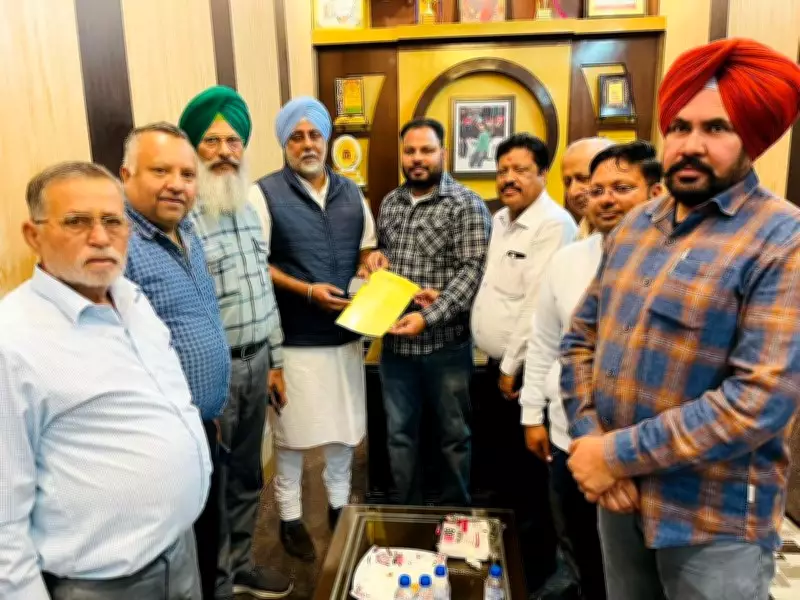
Amloh Rice Millers Sound Alarm on Critical Storage Shortage
Rice millers operating in the Amloh region of Punjab have raised urgent concerns regarding a severe storage crisis that is threatening their operations and the local agricultural economy. In a significant development, representatives from the milling community recently held a crucial meeting with a former Punjab minister to discuss the escalating issue and seek immediate governmental intervention.
Meeting with Former Minister Highlights Urgent Need for Action
The delegation of rice millers met with the former minister to formally present their grievances and outline the dire consequences of the ongoing storage shortage. During the discussions, millers emphasized that inadequate storage facilities are leading to significant post-harvest losses, financial strain, and operational disruptions. The former minister acknowledged the seriousness of the situation and assured the millers of his support in advocating for prompt solutions from the current state administration.
Root Causes and Impact of the Storage Crisis
The storage crisis in Amloh stems from a combination of factors, including insufficient infrastructure, increasing rice production, and logistical challenges. Millers reported that existing storage units are operating at full capacity, forcing them to store rice in suboptimal conditions that compromise quality and increase spoilage risks. This not only affects the millers' profitability but also has broader implications for food security and supply chain stability in the region.

- Overflowing storage facilities unable to accommodate current harvests.
- Financial losses due to damaged rice from improper storage.
- Operational delays impacting timely processing and distribution.
- Lack of government initiatives to expand storage infrastructure.
Proposed Solutions and Government Response
In response to the crisis, the rice millers have proposed several measures to alleviate the storage shortage. These include the construction of new storage units, modernization of existing facilities, and the implementation of government-backed schemes to support infrastructure development. The former minister has pledged to escalate the matter to relevant authorities, urging for the allocation of funds and resources to address the pressing needs of the milling sector.
The meeting concluded with a consensus on the necessity for collaborative efforts between the government and private stakeholders to develop sustainable storage solutions.This development underscores the critical challenges faced by agricultural industries in Punjab and highlights the importance of robust infrastructure to support economic growth and food security. The outcome of this advocacy effort is eagerly awaited by the milling community and could set a precedent for addressing similar issues in other regions.