Bengaluru's Black Market LPG Crisis: Commercial Cylinders Hit Rs 6,000, Crippling Food Businesses
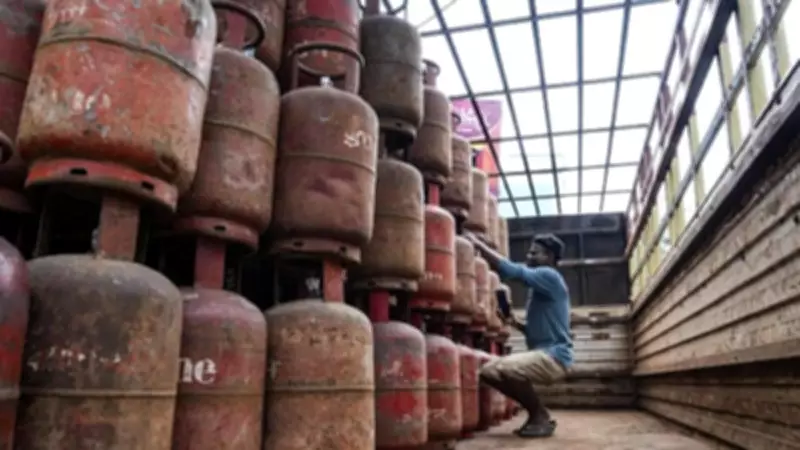
In a shocking development, the price of commercial LPG cylinders in Bengaluru has skyrocketed to an alarming Rs 6,000 on the black market, creating a severe crisis for the city's food industry. This unprecedented surge is wreaking havoc on small eateries, roadside stalls, and home-based food businesses that rely heavily on LPG for their daily operations.
Struggles of Small Food Enterprises
Many small-scale food establishments are now grappling with the sudden and steep increase in LPG costs. These businesses, which form the backbone of Bengaluru's vibrant street food culture and local economy, are finding it increasingly difficult to sustain their operations. The price hike has forced them to either absorb the extra costs, leading to reduced profits, or pass them on to customers, risking a loss of clientele in an already competitive market.
The impact is particularly severe for home-based food businesses, which often operate on thin margins and depend on affordable fuel to keep their ventures afloat. With LPG expenses now consuming a larger portion of their revenue, many are facing the grim prospect of scaling back or shutting down entirely.

Root Causes of the Price Surge
While the exact reasons behind this black market price spike are still under investigation, several factors are likely contributing to the crisis:
- Supply chain disruptions affecting the availability of commercial LPG cylinders in the region.
- Increased demand from the food sector as Bengaluru's population and culinary scene continue to expand.
- Potential regulatory gaps or enforcement issues that allow black market operators to exploit the situation.
- Seasonal or economic pressures driving up fuel costs across the board.
This situation highlights the vulnerabilities in the LPG distribution system, especially for commercial users who may not have access to subsidized or regulated pricing like domestic consumers.
Broader Implications for Bengaluru's Economy
The ripple effects of this LPG price crisis extend beyond individual businesses. Bengaluru's reputation as a hub for diverse and affordable food options could be at stake if small eateries and stalls are forced to close. Additionally, the livelihoods of countless workers in the food service industry are now under threat, potentially leading to job losses and economic instability in the sector.
Local authorities and industry associations are being urged to intervene swiftly to address the issue. Possible solutions include increasing the supply of commercial LPG, cracking down on black market activities, and providing temporary relief or subsidies to affected businesses.
As of March 12, 2026, the crisis remains unresolved, with food entrepreneurs across Bengaluru calling for immediate action to prevent further damage to their businesses and the city's culinary landscape.