Bengaluru's Electric Bus Ambition: A High-Stakes Green Transition
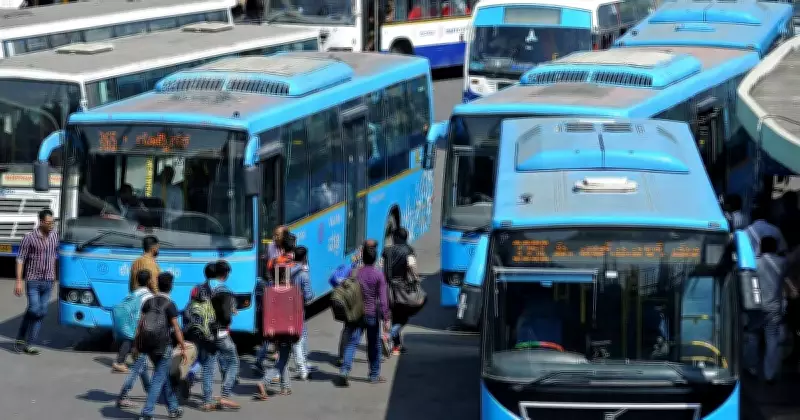
The Bangalore Metropolitan Transport Corporation (BMTC) is spearheading a major shift towards electric mobility in India's tech capital, with plans to significantly expand its fleet of e-buses. This initiative aims to reduce air pollution and carbon emissions, aligning with global sustainability goals. However, this ambitious push is fraught with operational and financial risks that could undermine its long-term success.
The Scale of BMTC's Electric Bus Initiative
BMTC has embarked on one of the largest electric bus deployments in the country, targeting a substantial increase in e-buses over the coming years. The corporation currently operates a growing number of electric buses and plans to add hundreds more through phased procurement. This expansion is part of a broader strategy to modernize public transport and address Bengaluru's chronic traffic congestion and poor air quality.
Key drivers include:

- Government policies promoting electric vehicles (EVs) under schemes like FAME India.
- Environmental imperatives to cut tailpipe emissions in a city ranked among India's most polluted.
- Operational cost savings from lower fuel expenses compared to diesel buses.
Operational Risks and Challenges
Despite the green benefits, BMTC's e-bus expansion faces multiple hurdles. A primary concern is the high upfront capital investment required for purchasing electric buses, which are significantly more expensive than conventional diesel models. This financial burden could strain BMTC's already tight budget, potentially leading to increased fares or reliance on government subsidies.
Infrastructure gaps pose another critical risk. Bengaluru lacks adequate charging stations to support a large e-bus fleet, with existing facilities often located in depots that are insufficient for round-the-clock operations. This could result in downtime for buses, disrupting schedules and reducing efficiency.
Other operational issues include:
- Limited driving range of e-buses, necessitating frequent recharging on long routes.
- Technical glitches and maintenance challenges due to the nascent EV technology in India.
- Training requirements for drivers and staff to handle new electric systems.
Financial and Sustainability Implications
The economic viability of BMTC's e-bus push is under scrutiny. While electric buses offer lower running costs over time, the initial investment and infrastructure development require substantial funding. BMTC may need to explore public-private partnerships or seek additional grants to mitigate financial risks.
From a sustainability perspective, the success of this initiative hinges on reliable electricity supply, which in Bengaluru is often plagued by power cuts. Dependence on the grid, which is still largely coal-based in India, could offset some environmental gains if renewable energy sources are not prioritized.
Experts warn that without careful planning, these risks could lead to operational failures, reduced service quality, and financial losses, ultimately jeopardizing the transition to cleaner transport.
Looking Ahead: Mitigation Strategies
To address these challenges, BMTC is advised to adopt a phased approach, starting with pilot projects on shorter routes to test feasibility. Investing in robust charging infrastructure and battery-swapping stations could enhance operational flexibility. Collaboration with technology providers and energy companies might also help in developing cost-effective solutions.
Public awareness campaigns and stakeholder engagement will be crucial to build support for this green transition. If managed effectively, BMTC's e-bus expansion could set a benchmark for sustainable urban mobility in India, but it requires navigating the associated risks with prudence and innovation.