Bengaluru Hoteliers Confront Staff Retention Crisis Amid LPG Shortage
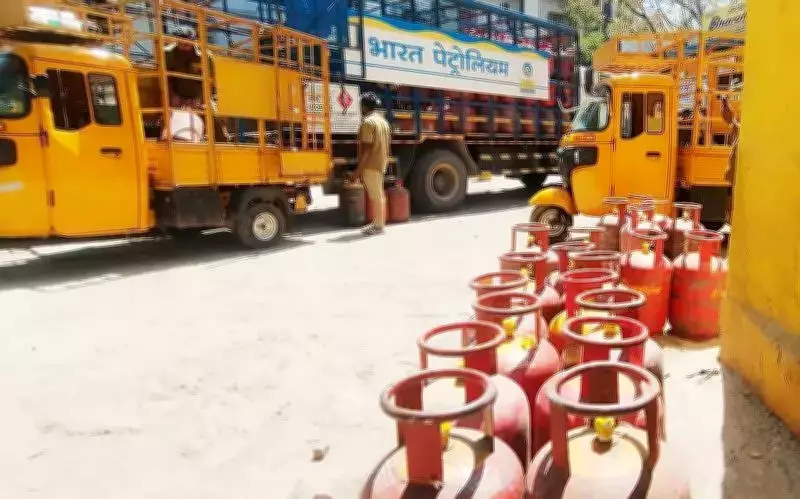
As a severe shortage of commercial LPG cylinders forces numerous eateries across Bengaluru to either scale back their menus or temporarily cease operations, hoteliers are sounding the alarm over an even more pressing issue: how to retain their workforce and continue paying salaries amidst growing uncertainty. The hospitality sector in the city is under mounting pressure to keep employees on board as rising costs and operational disruptions strain businesses, with many drawing parallels to the challenges faced during the COVID-19 pandemic.
Immediate Challenges for Hotel Owners
A fast-food joint owner in Chamarajpet, who closed his restaurant on Wednesday due to the cylinder shortage, expressed deep concern. "We are uncertain about how long this crisis will persist. Our biggest dilemma is whether to lay off chefs or hold onto them. It feels eerily similar to the situation we endured during Covid times," he said. This sentiment is echoed across the city, where hotel and restaurant owners are grappling with immediate financial and operational hurdles.
Salary Burdens and Workforce Dependence
Subramanya Holla S, president of the Bangalore Hotels Association, highlighted the severity of the situation. "Retaining staff has become a monumental issue. While temporary workers might struggle to find salaries elsewhere, we strive to ensure everyone is paid here. Basic salaries start at around Rs 16,000–17,000, with specialised staff earning Rs 25,000–40,000, and some skilled workers going up to Rs 75,000," he explained. According to him, salary commitments have emerged as one of the most significant burdens for hotel managements during this crisis. "We must continue paying them. If we don't, the management suffers because many families depend on these jobs. We are uncertain about how the situation will evolve, but we are making every effort to protect our staff," he added.

Individual Hotel Struggles
For individual hotel owners, the challenges are even more acute. Deepak DN, who operates Hotel Aditya in Mahalakshmi Layout, noted that staffing is among the toughest aspects of running a hotel in the current climate. His establishment employs nearly 70–80 workers, most of whom rely entirely on the hotel for their livelihood. Hotels also bear the responsibility of feeding their employees. "Previously, our primary focus was on serving customers. Now, providing food to employees has become equally crucial," Deepak said, observing that many workers eat at the hotel and some even take food home for their families.
Like many establishments in Bengaluru, Hotel Aditya operates in multiple shifts—from 7am to 11am, 12pm to 4.30pm, and 7pm to 10.30pm—though these timings are constantly adjusted based on LPG availability and the overall situation. The sector's heavy reliance on migrant labour further complicates matters. Deepak estimates that around 40% of his workforce is local, while nearly 60% hails from northern parts of India. "They cannot simply leave and return home. They need to stay here and survive. Many are dependent on us for both food and income," he emphasized.
Critical Need for Skilled Workers
Hoteliers also warn that losing skilled workers could severely impact their businesses even after the crisis subsides. Krishna Raj SP of Hotel Nisarga Grand stressed the importance of retaining experienced cooks. "A chef who specialises in making idlis cannot be easily replaced or dismissed, as that expertise is what attracts customers. We must ensure their job security," he said. This underscores the long-term strategic importance of maintaining a skilled workforce amidst short-term disruptions.

Worker Anxiety and Uncertainty
For employees, the uncertainty is equally distressing. Kumar Lingappa, an employee at a café in Jayanagar, shared his anxieties. "We are doing our best to serve customers, but our managers are working hard to safeguard our salaries and jobs. They mentioned that if conditions don't improve, our salaries might be reduced by Rs 2,000 to Rs 4,000, but they may not fully grasp how challenging that would be for us. We are unsure what steps to take," he lamented. This highlights the human toll of the crisis, with workers facing potential income cuts and job insecurity.
In summary, Bengaluru's hospitality sector is navigating a dual crisis of LPG shortages and workforce retention, with hoteliers striving to balance operational survival with employee welfare. The situation mirrors pandemic-era struggles, calling for urgent attention to sustain both businesses and livelihoods in the city.