Bengaluru Restaurant Implements 'Gas Crisis Charge' on Beverages Amid LPG Shortage
In a surprising move that has captured public attention, a restaurant in Bengaluru has introduced a 'Gas Crisis Charge' on its menu items, specifically targeting beverages like mint lemonade. This additional fee comes as a direct response to the ongoing challenges in LPG (liquefied petroleum gas) supply affecting commercial establishments across the city.
Details of the Unusual Surcharge
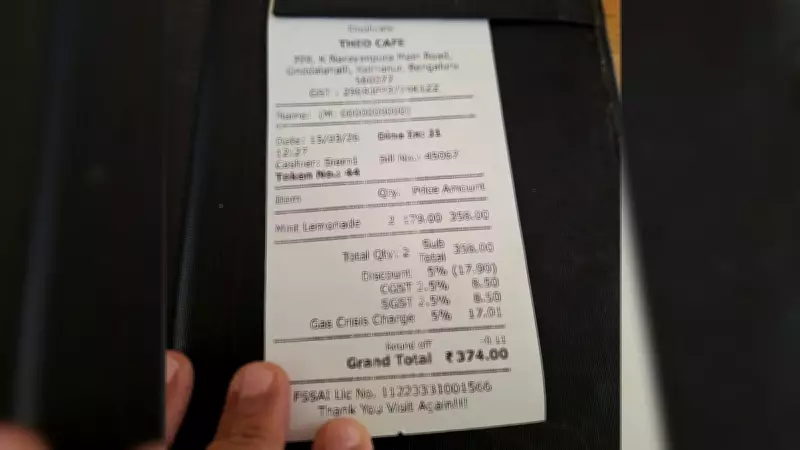
The incident came to light when a customer ordered two mint lemonades, priced at Rs 179 each. Upon reviewing the bill, they noticed an extra charge labeled as 'Gas Crisis Charge', amounting to 5% of the total, which translated to Rs 17. This fee was added alongside standard taxes such as CGST and SGST, making it a notable addition to the final cost.
The restaurant's decision to implement this charge highlights the broader impact of the LPG supply crisis on small businesses. With many eateries relying on gas for cooking and beverage preparation, the shortage has forced some to find creative ways to offset increased operational costs.

Netizens React to the Controversial Fee
The news quickly spread on social media platforms, sparking a wave of reactions from netizens. Many expressed disbelief and frustration over the charge, questioning its justification on a simple item like lemonade. Comments ranged from humorous takes to serious concerns about transparency in pricing.
One user shared a screenshot of the bill on Twitter, captioning it, "Gas crisis charge on a lemonade?", which went viral and fueled further discussion. The post, attributed to @HaramiParindey on March 15, 2026, has drawn attention to how businesses are adapting to economic pressures in real-time.
Broader Implications for the Hospitality Industry
This incident sheds light on the wider issues faced by the hospitality sector during supply chain disruptions. As LPG becomes scarce or more expensive, restaurants may resort to similar surcharges to maintain profitability, potentially affecting customer loyalty and pricing strategies.
Experts suggest that while such measures might be necessary for survival, clear communication with customers is crucial to avoid backlash. The Bengaluru restaurant's case serves as a cautionary tale for other businesses navigating similar challenges.
As the story continues to unfold, it remains to be seen whether this 'Gas Crisis Charge' will become a temporary fix or a more permanent feature in the city's dining scene. For now, it has certainly ignited a conversation about fairness and innovation in times of crisis.