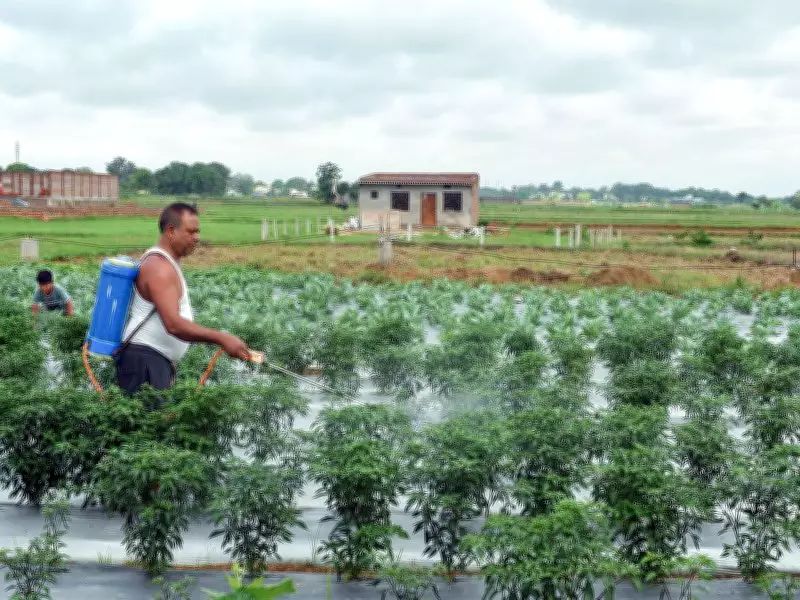
A weak start to the southwest monsoon in India has raised concerns for the kharif season, with a significant drop in sowing compared to last year, according to a research report by 360 ONE Capital Research. Cumulative rainfall as of June 17 stood at 46.2 mm, sharply below the normal of 74.3 mm, marking a deficit of 38 per cent. Weekly rainfall for the period ending June 17 was 48 per cent below the long-period average, the report stated.
Widespread Rainfall Deficiency Across Regions
The report highlights that 22 of India's 36 meteorological subdivisions have received deficient rainfall so far this season. At the district level, nearly 66 per cent of the country has experienced scanty or deficient rainfall, underscoring the broad-based nature of the shortfall. Central India has been particularly affected, recording a rainfall deficit of 62 per cent, while eastern India has seen rainfall 44 per cent below normal. This uneven distribution poses risks to agricultural planning and crop health.
Kharif Sowing Declines, Pulses and Cotton Hit Hard
The delayed progress of the monsoon has begun to affect agricultural activity. As of June 12, total kharif sowing was reported at 84.6 lakh hectares, down 3.9 per cent from the corresponding period last year. Pulses and cotton have witnessed the sharpest declines, with sowing areas contracting by 43.2 per cent and 28 per cent respectively. Rice sowing, however, has shown resilience with a year-on-year increase of 28.4 per cent, albeit from a low base. The report emphasizes that the overall decline signals stress on the agricultural sector, which is heavily reliant on monsoon rains.

Reservoir Levels Provide Some Buffer
Despite weak monsoon momentum, sufficient reservoir levels remain a positive factor. 360 ONE Capital notes that live reservoir storage as of June 11 was equivalent to 28.3 per cent of total capacity, around 16 per cent above the 10-year average. This provides an important buffer for irrigation needs should rainfall remain uneven in the near term. However, the firm stressed the need for close monitoring given the current pattern of monsoon.
Outlook Depends on July-August Rainfall
According to 360 ONE Capital Research, the current monsoon pattern warrants close monitoring, particularly given its implications for agricultural output, rural incomes, and food inflation. While the season has started significantly below normal, the ultimate impact will depend on rainfall distribution during the critical July-August period, which typically accounts for the bulk of India's seasonal precipitation. A recovery in rainfall could still support crop prospects, while a prolonged deficit may increase pressure on food prices and rural economic activity. The report concludes that the next few weeks will be decisive for the kharif season and the broader rural economy.